


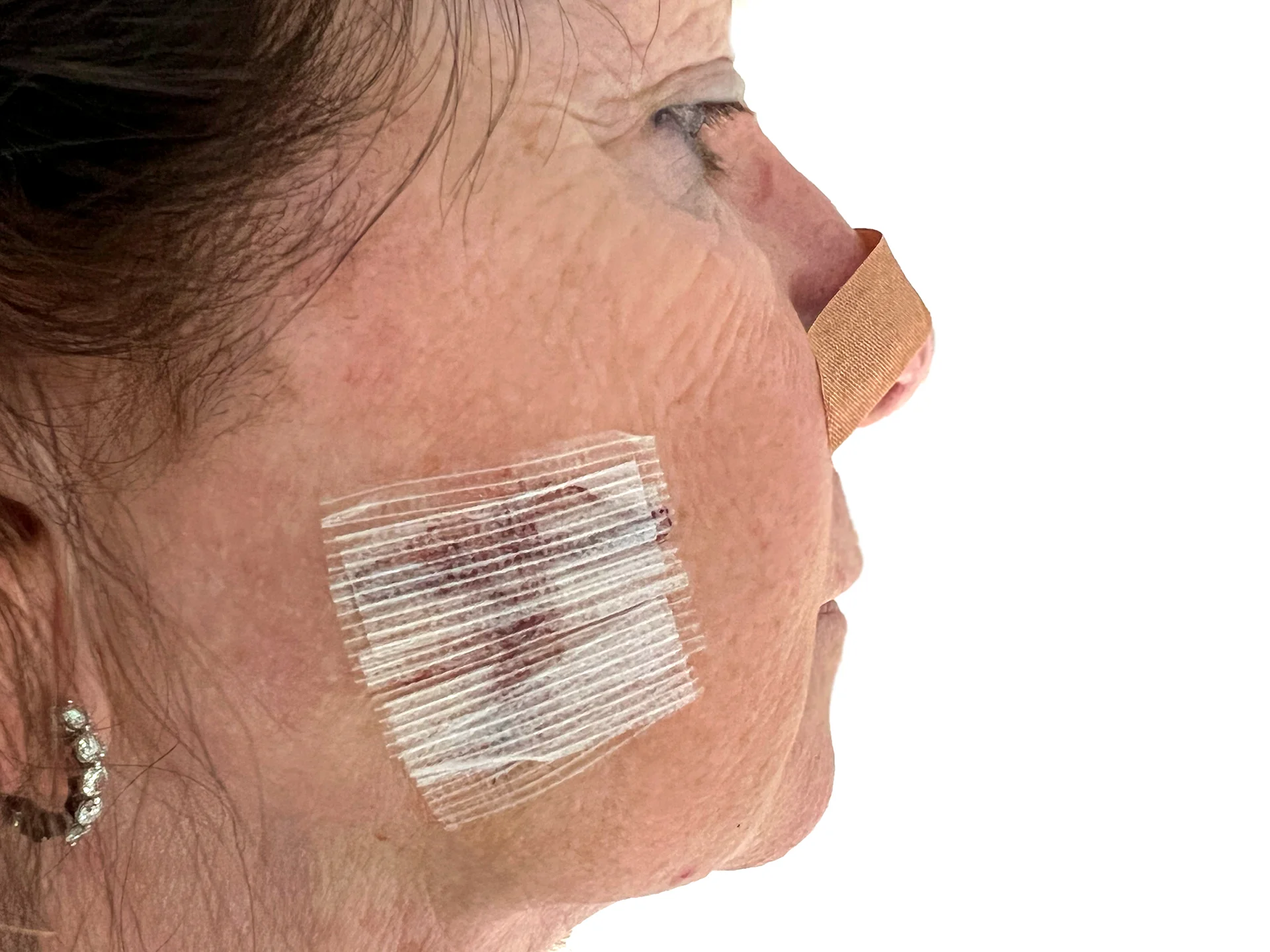
Mohs surgery treats skin cancer with precision; a surgeon removes tissue one layer at a time, and each layer gets checked under a microscope before the next step. Since the process targets only affected cells, it aims to spare healthy skin around the area. If you have a procedure scheduled, this is what you can expect at each stage of the surgery:
Initial Consultation
Your first visit sets the foundation for Mohs surgery. The surgeon examines the area, reviews your medical history, and explains how the process works for your case. Since every skin cancer differs, the doctor tailors the approach to your specific diagnosis.
When needed, you will discuss a few practical details during this appointment. Bring a list of your current medications, and share any allergies you have. The team may give you instructions to follow beforehand:
- Medications you take daily
- Allergies or reactions
- Questions about the timeline
Local Anesthetic
Before surgery begins, the team numbs the treatment area. A local anesthetic keeps you awake, and it blocks pain in the targeted spot. Since the injection works quickly, you feel the effect within minutes. You stay alert throughout the entire procedure.
Thin Skin Layer Removal
The surgeon removes a thin layer of tissue first. This layer includes the visible cancer, and it involves a small margin around it. Since the sample goes straight to the lab, you wait while a technician processes it.
Processing takes time, and the team maps the tissue carefully. The surgeon examines the sample under a microscope to spot any remaining cancer cells. If the edges look clear, the removal stops at that point.
You rest in a waiting area during this stage. Since results guide the next step, staying informed may help the process move smoothly. The wait typically is over shortly, and the team keeps you updated. These steps may apply:
- The surgeon removes a small tissue sample from the affected area.
- The sample is sent to the lab for immediate processing.
- The technician carefully maps and analyzes the tissue.
- The surgeon examines the tissue under a microscope for cancer cells.
- The procedure is complete if the edges of the sample are clear.
Repeated Process
Sometimes one layer is not enough. If the microscope shows cancer at the edges, the surgeon removes another thin layer. This cycle repeats until the samples come back clear.
Each round follows the same pattern. The surgeon takes tissue, the lab checks it, and you wait for results. Since the method targets only affected areas, healthy skin stays intact through each step.
Most cases finish within a few rounds. Once the lab confirms clear margins, the surgeon closes the wound or discusses options with you. The total time varies, and larger areas may take longer.
Schedule a Mohs Surgery Consultation
Mohs surgery follows a step-by-step method with careful checks at each stage. Since the process depends on your specific diagnosis, a personal evaluation gives you a clear picture. Contact a dermatologist’s office today to schedule your Mohs surgery consultation with a surgeon. A medical team can answer your questions and walk you through the next steps.
