


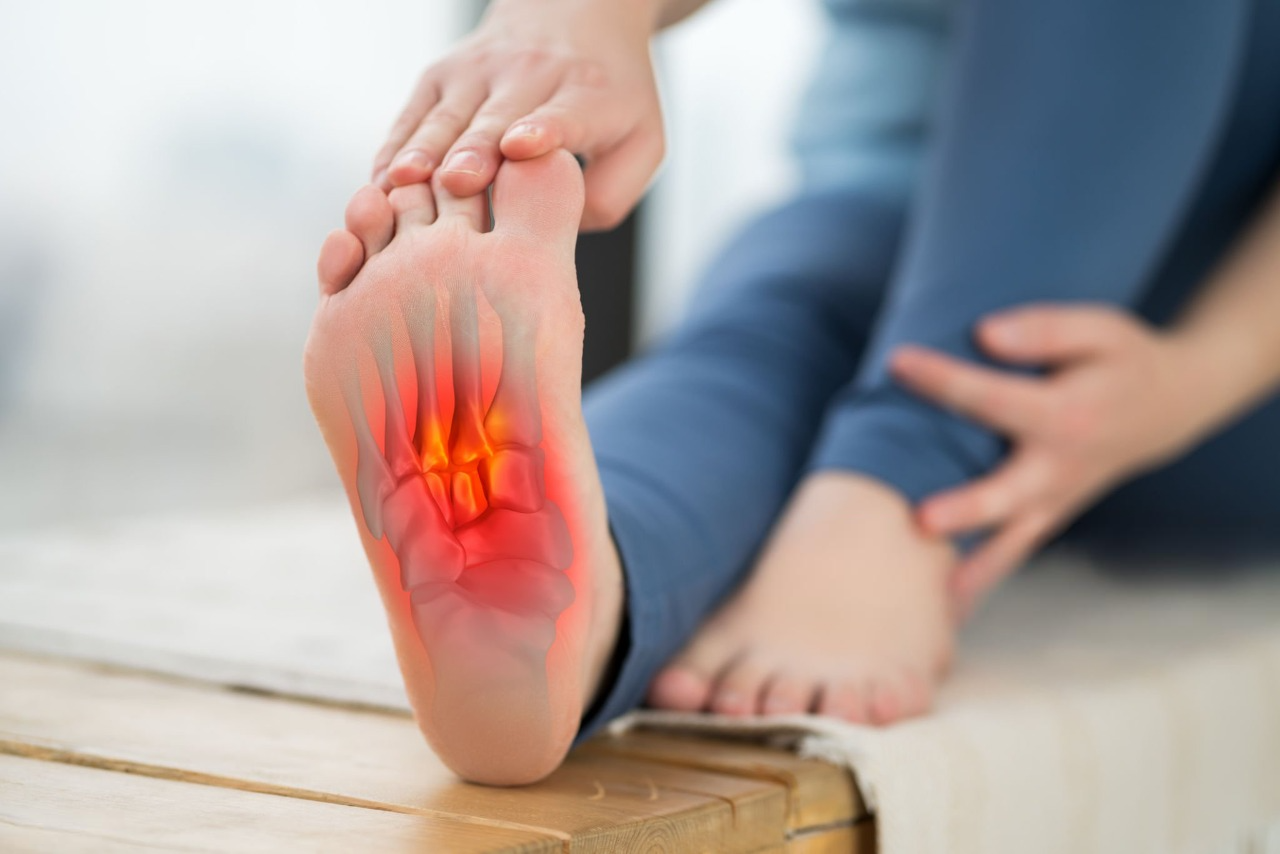
Foot pain can slow down your whole day, and plantar fasciitis is a major cause, affecting people of every age. This condition happens when a thick band of tissue along the bottom of your foot becomes irritated. If you notice heel or arch pain, understanding the basics helps you act quickly. This is what you should know about this foot condition:
Persistent Arch Pain
Arch pain typically happens first thing in the morning. You take a few steps, and the ache sharpens near your heel. When the pain lingers after rest, it may point to plantar fasciitis. You may feel it after long periods of standing or walking.
Early care keeps small problems from turning into bigger ones. The discomfort tends to fade as you move around, but it returns later. A dull throb sits along the arch, and pressure makes it worse. If the pain sticks around for weeks, it requires attention.
Inflamed Band of Tissue
The plantar fascia runs from your heel to your toes. This band supports your arch, and it absorbs stress with each step. When that tissue takes on too much strain, tiny tears form and swelling follows. That inflammation creates the sharp pain many patients describe. Several habits raise your risk. Watch for these major triggers:
- Standing on hard floors for long hours
- Wearing worn-out or unsupportive shoes
- Increasing exercise or running
- Carrying extra body weight
Age and foot shape also play a role. Flat feet or high arches change how pressure spreads, and both add strain. If you fall into any of these groups, small changes may reduce your discomfort. Paying attention to your feet early makes a significant difference.
Proper Footwear and Stretches
Good shoes give your feet the support they need. Look for cushioned soles, firm heels, and roomy toe boxes. When your footwear fits well, your arch handles daily stress more easily. Replace old shoes once the cushioning breaks down. Simple stretches ease tension in the tissue. Stretching a few minutes each morning loosens tight muscles, and it prepares your feet for movement. Try these each day:
- Roll your foot over a frozen water bottle
- Stretch your calf against a wall
- Pull your toes gently toward your shin
- Massage the arch with your thumbs
Custom Orthotics
Custom orthotics are shoe inserts made to match your feet. They redistribute pressure, and they support your arch during each step. Since they fit your exact shape, they target the areas under the most strain. A provider takes measurements to design them properly.
Over-the-counter inserts help some people, though they offer less precision. Custom versions are more complex, but they last longer with proper care. When basic remedies fall short, orthotics may be a next step. Talk with a medical professional before you invest in them.
Custom orthotics not only provide precise support tailored to your feet, but they can also help alleviate pain caused by prolonged standing or walking. They improve comfort significantly. While they may take time to adjust to, the long-term benefits often outweigh the initial adaptation period, especially for those experiencing chronic discomfort.
Get Checked for Plantar Fasciitis
Ongoing foot pain requires a proper look, so a provider examines your foot, reviews your symptoms, and may order simple tests. On-site diagnostics speed up answers, so you leave with a clear plan. Accurate assessment guides the right treatment for your situation. If your heel or arch hurts, visit a clinic and take the first step.
