


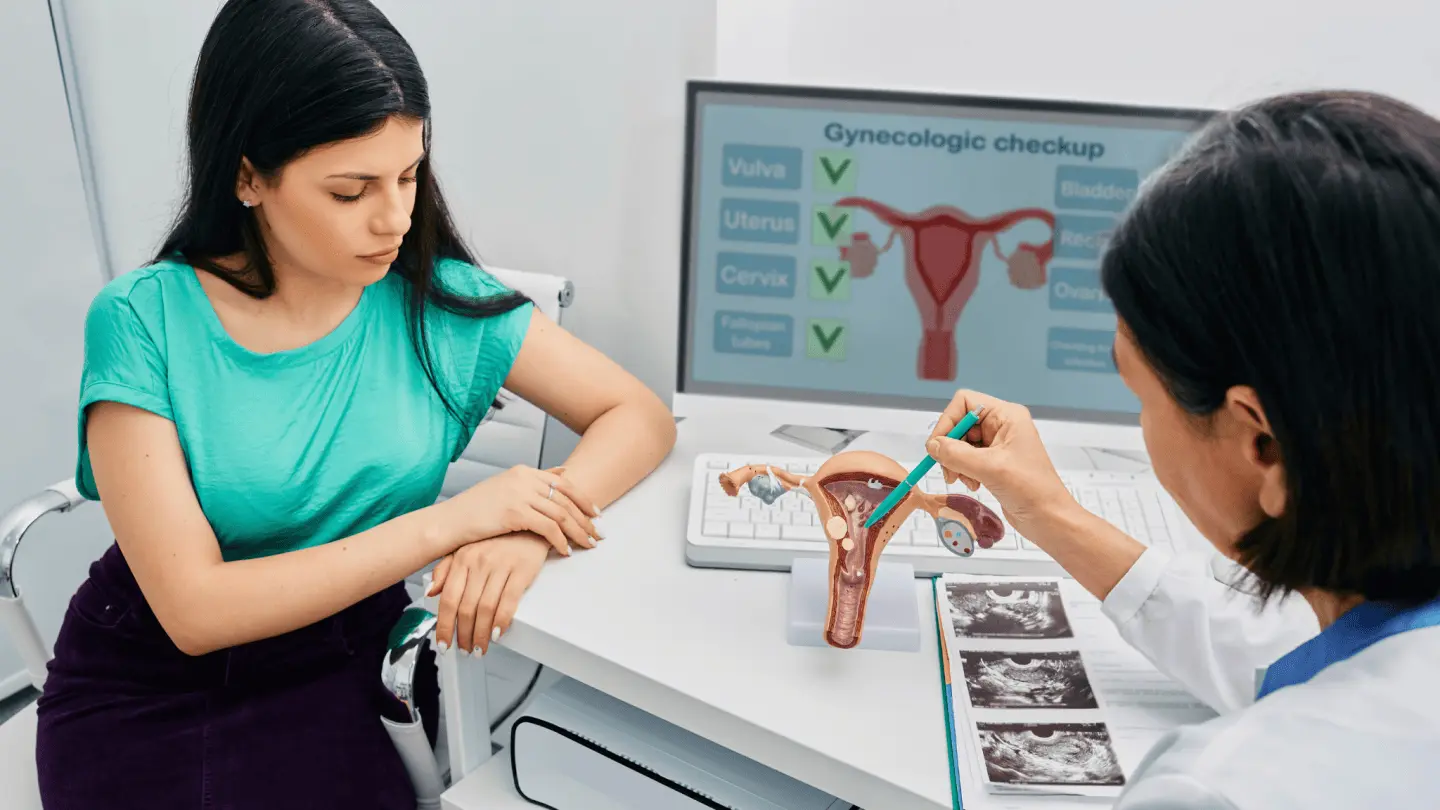
Gynecological health is an essential part of a woman’s overall well-being. Many women experience gynecological conditions at some point in their lives, ranging from minor infections to chronic disorders that require ongoing medical care. Recognizing the early signs of these conditions and seeking timely treatment can help prevent complications and improve quality of life.
This article discusses some of the most common gynecological conditions, their symptoms, possible causes, and practical prevention tips.
Why Gynecological Health Matters
The female reproductive system undergoes many changes throughout life, including puberty, pregnancy, childbirth, and menopause. Regular gynecological care helps monitor these changes, detect health concerns early, and maintain reproductive wellness.
Routine checkups also provide an opportunity to discuss menstrual health, fertility, contraception, and other important health topics with a qualified healthcare provider.
1. Polycystic Ovary Syndrome (PCOS)
Polycystic Ovary Syndrome (PCOS) is one of the most common hormonal disorders affecting women of reproductive age. It can interfere with ovulation and may affect fertility if left untreated.
Common Symptoms
- Irregular or missed periods
- Excess facial or body hair
- Acne
- Weight gain or difficulty losing weight
- Thinning hair on the scalp
- Difficulty becoming pregnant
Possible Causes
The exact cause of PCOS is unknown, but genetics, hormonal imbalances, and insulin resistance are believed to play important roles.
Prevention and Management
Although PCOS cannot always be prevented, maintaining a healthy weight, eating a balanced diet, exercising regularly, and following your healthcare provider’s treatment plan can help manage symptoms.
2. Endometriosis
Endometriosis occurs when tissue similar to the lining of the uterus grows outside the uterus. This condition can cause chronic pelvic pain and may affect fertility.
Common Symptoms
- Severe menstrual cramps
- Chronic pelvic pain
- Pain during intercourse
- Painful bowel movements during menstruation
- Difficulty becoming pregnant
Prevention and Management
There is no guaranteed way to prevent endometriosis, but early diagnosis and treatment can help reduce symptoms and improve quality of life.
3. Uterine Fibroids
Fibroids are noncancerous growths that develop in or around the uterus. Many women have fibroids without experiencing symptoms.
Common Symptoms
- Heavy menstrual bleeding
- Pelvic pressure
- Frequent urination
- Lower back pain
- Enlarged abdomen
Risk Factors
Age, family history, obesity, and hormonal factors may increase the likelihood of developing fibroids.
4. Vaginal Infections
Vaginal infections are common and may result from bacteria, fungi, or other microorganisms.
Symptoms
- Unusual vaginal discharge
- Itching or irritation
- Burning during urination
- Unpleasant odor
Prevention
Practice good personal hygiene, avoid unnecessary douching, wear breathable cotton underwear, and seek medical care if symptoms persist.
5. Menstrual Disorders
Menstrual disorders include irregular periods, very heavy bleeding, painful periods, or missed menstrual cycles.
Possible Causes
- Hormonal imbalances
- Thyroid disorders
- PCOS
- Stress
- Excessive exercise
- Certain medications
Keeping track of your menstrual cycle can help identify changes that should be discussed with your healthcare provider.
Healthy Habits for Better Gynecological Health
Maintaining healthy lifestyle habits supports reproductive wellness throughout every stage of life.
- Eat a nutritious, balanced diet.
- Exercise regularly.
- Maintain a healthy body weight.
- Practice safe sexual health.
- Stay hydrated.
- Get enough sleep.
- Manage stress through relaxation techniques.
- Attend routine gynecological examinations.
These habits contribute to hormonal balance, immune function, and overall reproductive health.
When Should You See a Gynecologist?
Seek medical advice if you experience:
- Severe pelvic pain
- Heavy or prolonged menstrual bleeding
- Bleeding between periods
- Persistent vaginal itching or unusual discharge
- Pain during intercourse
- Missed periods unrelated to pregnancy
- Difficulty becoming pregnant
- Bleeding after menopause
Early evaluation can help identify the underlying cause and improve treatment outcomes.
Conclusion
Common gynecological conditions can affect women of all ages, but many are manageable with early diagnosis and appropriate medical care. Paying attention to changes in your menstrual cycle, practicing healthy lifestyle habits, and attending regular gynecological checkups are important steps toward maintaining reproductive health.
If you notice unusual symptoms or have concerns about your reproductive health, consult a qualified healthcare professional. Taking proactive care of your gynecological health can support your overall well-being and improve your quality of life for years to come.
