


Dermatologists typically complete medical school and a residency, and many pursue extra fellowship training. This added training shapes the conditions and procedures that each dermatologist addresses. When you understand these dermatology specializations, you can match your concern to the right provider. Here are some of their specializations:
Pediatric Dermatology
Pediatric dermatologists treat patients from birth through the teenage years because young skin behaves differently. Children may have thinner skin and absorb topical medications more easily. These doctors adjust dosages for smaller bodies, and they choose gentle formulations. This dermatology approach aims to lower the chance of side effects.
Eczema affects many young children, and birthmarks may prompt questions from parents. If a raised red birthmark grows near the eye, the specialist may recommend early treatment. Acne, warts, and small viral bumps called molluscum also appear in this age group.
Appointments with children require clear explanations. Many pediatric offices use smaller exam tools that suit a child’s size. Parents share the child’s health history, and the dermatologist builds a care plan around it. Bring photos if a rash comes and goes between visits.
Cosmetic Dermatology
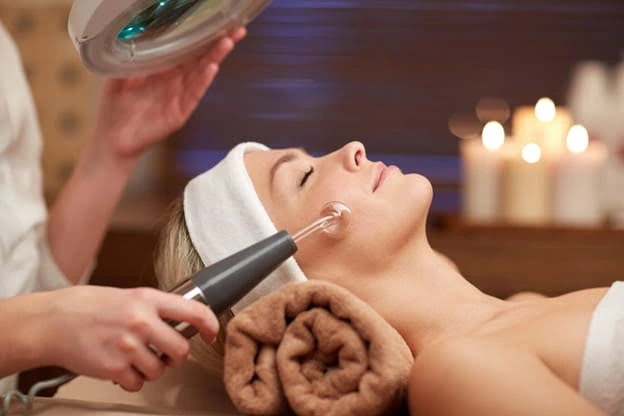
Cosmetic dermatology addresses concerns that relate to the appearance of your skin. Some patients want to soften fine lines, and others want to even out skin tone. A board-certified dermatologist evaluates your skin type before any procedure. Typical cosmetic treatments include the following options:
- Chemical peels to remove damaged outer skin layers
- Injected Botox to relax expression lines
- Dermal fillers to restore lost volume
- Laser-powered and radiofrequency treatments to refine texture
- Platelet-rich plasma (PRP) therapy for skin and hair concerns
Mohs-related Surgery
Mohs surgery treats basal cell and squamous cell carcinomas, which are common skin cancers. The surgeon removes one thin layer of tissue at a time. Each layer goes under a microscope, and the surgeon checks the edges for cancer cells. The process continues until no cancer cells remain.
This method removes very little healthy skin, and the surgeon tracks exactly where the cancer sat. Since each layer needs lab processing, many Mohs procedures last several hours. Plan for a long appointment. Bring a snack, a book, and a list of your current medications.
Medical Dermatology
Medical dermatology covers the diagnosis and treatment of skin, hair, and nail diseases. Some conditions flare and fade, and others last for years. A medical dermatologist creates a treatment plan that fits your symptoms and history. Typical conditions in this field include the following:
- Psoriasis and eczema
- Rosacea and adult acne
- Hair loss and scalp disorders
- Moles and skin cancer screenings
- Fungus and bacterial skin infections
If you notice a mole that changes in size or color, book a skin check. Yearly full-body exams track changes over time. Rosacea typically overlaps with cosmetic concerns, and many patients see one dermatologist for both.
Visit a Dermatology Clinic
Each specialization focuses on different needs, and many clinics offer several services under one roof. Before you book, write down your concerns, current products, and past treatments. Check the dermatologist’s board certification and fellowship training. Ask about appointment times that fit your schedule.
