


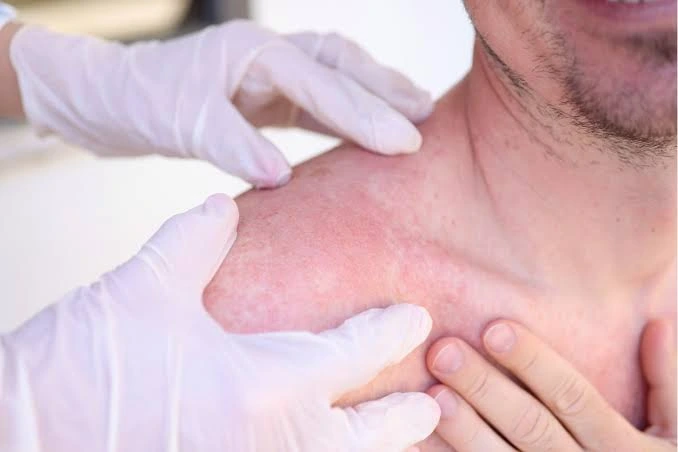
Seasonal changes can cause dry skin, irritation, and flare-ups that affect comfort and daily routines. Dermatology care helps identify these concerns and guide treatment based on your skin’s needs and environmental triggers. Here is a closer look at how dermatologists can help manage seasonal skin issues:
Identifying Seasonal Skin Changes
Each season places different demands on your skin. Cold air and indoor heating lower humidity, and hot months increase sun and sweat exposure. When you recognize these patterns, you can describe your symptoms clearly to a dermatologist. Here are some seasonal changes that may require dermatology care:
- Winter dryness: Low humidity pulls moisture from the skin, which often leads to flaking, tightness, and eczema flare-ups.
- Spring irritation: Pollen and rising temperatures can trigger redness in people with rosacea or sensitive skin.
- Summer sun exposure: Longer days increase UV exposure, which contributes to sun damage, new spots, and changes in existing moles.
- Heat and sweat: Warm and moist conditions can clog pores and create an environment where acne and nail fungus develop.
- Fall transition: Cooler weather often reveals summer damage, such as dark spots or rough. and scaly patches.
Seeking Personalized Skin Assessment
A personalized skin assessment gives your dermatologist a comprehensive picture of your skin health. During the visit, the dermatology care provider reviews your medical history, current products, and seasonal symptoms. They examine your skin, hair, and nails, and they note any growths, rashes, or spots that need closer study. If a spot looks unusual, the dermatologist may perform a biopsy, which involves removing a small skin sample for lab testing.
A full-body skin check helps people concerned about precancerous spots or changing moles. The dermatologist compares spots across your body and documents anything that requires monitoring over time. When a skin cancer diagnosis is confirmed, the dermatologist discusses next steps, which may include Mohs surgery.
Exploring Treatments
Treatment plans depend on your condition, skin type, and the season. Dermatologists combine in-office procedures with at-home care, and they adjust plans as your skin changes. The following sections outline options that dermatology providers commonly use for seasonal concerns.
Exploring In-Office Procedures
Some concerns require hands-on care in the office. Dermatologists remove cysts, skin tags, and warts using methods such as freezing, cutting, or draining. For precancerous spots linked to sun damage, they may apply freezing treatments or light-based therapy, and they schedule follow-up visits to monitor results. Your dermatologist explains each procedure before it begins so that you understand the process.
Reviewing Prescription and At-Home Care
Dermatologists address some seasonal flare-ups with a structured at-home routine. A provider may prescribe creams, gels, or oral medications for acne, eczema, rosacea, or nail fungus. Your plan may change from winter to summer, and your dermatology care provider adjusts it during follow-up visits. If a product causes irritation, report it so that they can recommend an alternative.
Adapting Skincare for Prevention
Prevention focuses on adjusting your routine before seasonal problems start. In colder months, a dermatologist may recommend a thicker moisturizer, a gentle cleanser, and lukewarm showers. In warmer months, lightweight, oil-free products may suit acne-prone skin, and a daily broad-spectrum sunscreen with SPF 30 or higher limits UV exposure. Protective clothing, wide-brimmed hats, and shade also reduce sun exposure when UV levels peak.
Schedule Your Dermatology Care Appointment
Seasonal changes affect the skin in predictable ways, and a dermatologist helps you identify, assess, and manage these changes. A personalized dermatology assessment uncovers concerns such as changing moles, sun damage, or chronic flare-ups. Treatment plans combine in-office care with at-home routines, while prevention steps help protect your skin. Contact a qualified dermatologist near you to schedule your dermatology care appointment today.
