


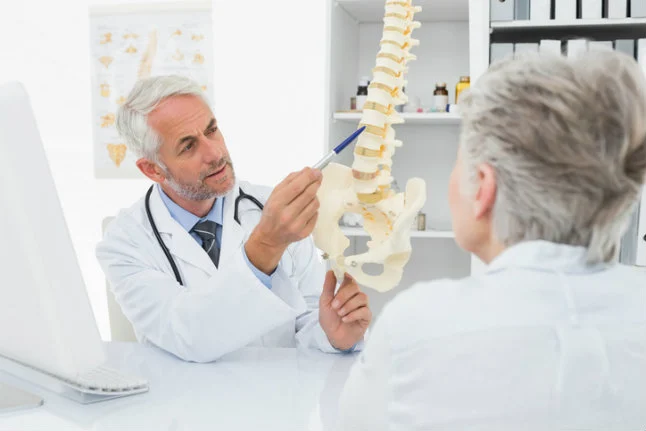
Clear patient communication can improve the orthopedic surgery experience by helping patients understand their diagnosis, surgical procedures, and recovery plans. Open discussions between patients and healthcare providers may also support informed decisions and encourage patients to follow postoperative instructions. Here are several benefits of patient communication in orthopedic surgery:
Improving Treatment Understanding
Orthopedic surgery covers a wide range of procedures, so understanding your specific situation matters. When your surgeon explains your diagnosis in plain terms, you can follow the reasons behind each recommendation, and you understand what recovery involves. A strong exchange of information also clarifies what a procedure will and will not do. Here are some key areas clear conversations cover:
- The diagnosis: Your surgeon describes the injury, its location, and how it affects movement.
- Treatment options: You learn which approaches apply to your case, including nonsurgical options.
- Expected outcomes: You gain a general sense of timelines, activity limits, and follow-up needs.
When you understand the basics, you can focus your attention on the choices that matter most to you.
Supporting Informed Decisions
Informed decisions depend on accurate and two-way communication. When your surgeon shares the risks, benefits, and orthopedic surgery alternatives, you can review them against your goals. This allows you to evaluate how each option fits your lifestyle. Your input matters just as much as the information you receive. You should explain how often you train, which sports you play, and what movement you want to regain. When your surgeon understands these details, recommendations become more personalized, and the plan reflects your priorities. Shared decision-making also reduces uncertainty about what comes next. A surgeon who listens carefully can adjust guidance to match your comfort level.
Strengthening Surgical Preparation
Preparation for orthopedic surgery runs more smoothly when instructions are clear, and you know what to expect. Your surgical team may explain how to prepare in the days before a procedure, and these steps help make sure you arrive ready. Preparation instructions often include several fundamental steps that active adults should follow. Here are some of them:
- Medication guidance: You learn which medications to pause or continue before surgery.
- Fasting rules: Your team tells you when to stop eating or drinking, if that applies.
- Movement and support: You arrange help at home and prepare any equipment you may need afterward.
Promoting Successful Recovery
Recovery relies heavily on communication that continues after the procedure. Your team explains rehabilitation exercises, activity limits, and warning signs to watch for, and you can report changes as they happen. This exchange keeps your recovery on track, and it helps you avoid setbacks that may delay your return to sport.
Rehabilitation often involves gradual steps, so knowing when to progress matters. When you ask questions about pain, swelling, or mobility, your surgeon can adjust your plan. Clear updates also help you understand how to prevent future injuries as you rebuild strength.
Learn More About Orthopedic Surgery
Consistent communication and a well-structured recovery plan are key components of successful orthopedic surgery outcomes. Monitoring your progress, addressing concerns, and collaborating with your healthcare team help to support a safe and effective recovery. You can work toward restoring strength and preventing future injuries by staying informed about your treatment milestones and maintaining open dialogue. To learn more about orthopedic surgery, contact a qualified orthopedic surgeon near you to schedule your appointment today.
