


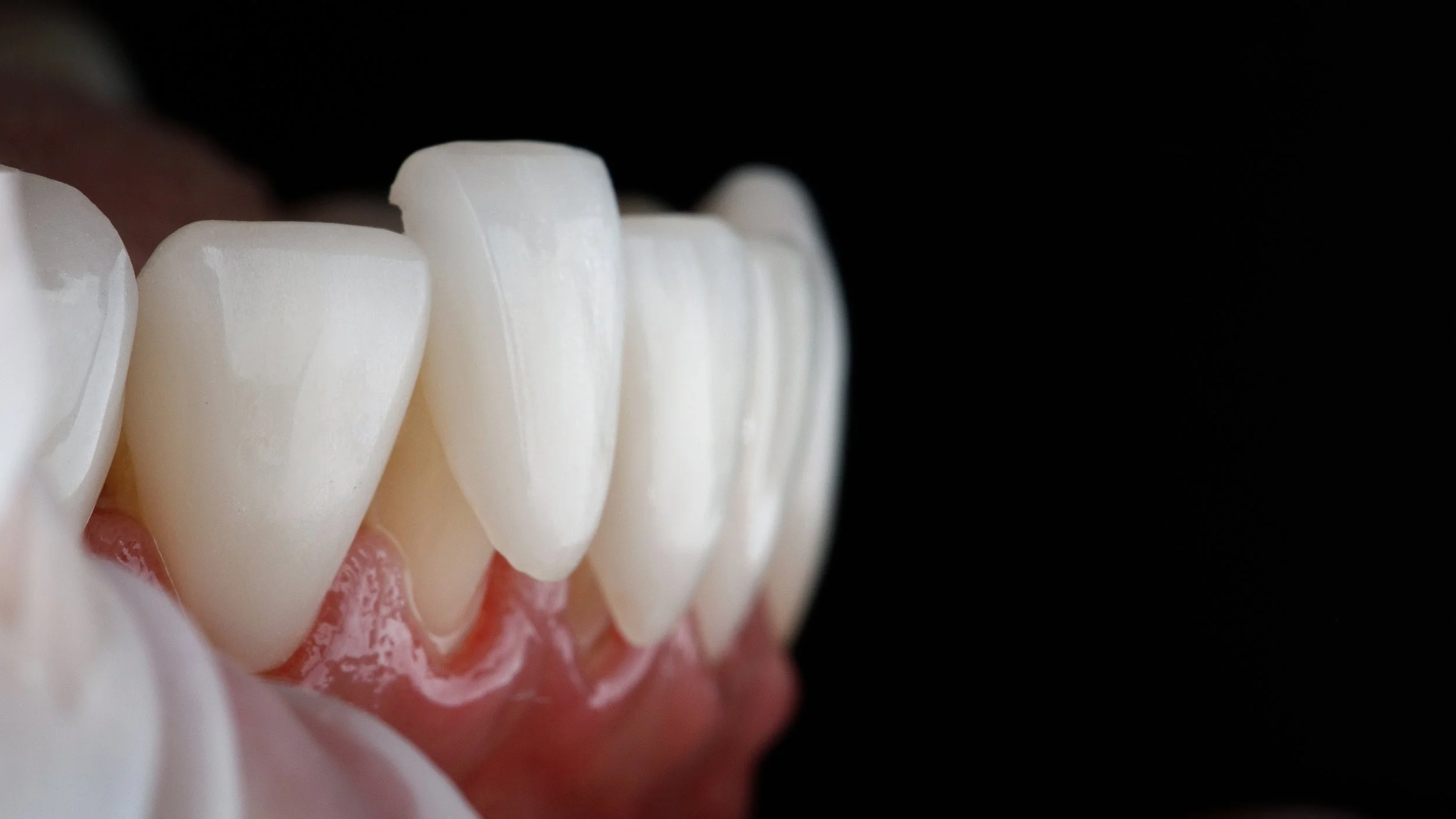
Veneers are thin, custom-made shells that a dentist bonds to the front surface of the teeth. They are typically made from porcelain or composite resin, and they reshape and refine the appearance of your smile. Most treatment plans span two or three visits over several weeks. Here are some things to expect when getting veneers:
Starting With a Consultation
The first appointment focuses on planning, and your dentist uses it to gather key details. They examine your teeth and gums, review your dental history, and sometimes take X-rays or digital photos. This evaluation determines whether veneers suit your situation. Bring a list of questions, because a prepared patient can make better use of limited appointment time. Helpful topics to address include the following:
- Porcelain versus composite materials and how they differ
- The number of veneers in your treatment plan
- The total number of appointments and their estimated length
- Expected lifespan and replacement timelines
Some practices use digital imaging or a physical mock-up to preview the planned result, which gives you a helpful reference point before committing. Ask for a written treatment plan and estimate before you book the next visit. Your dentist may also discuss shade, shape, and tooth length during this first appointment.
Preparing and Impressing Your Teeth
Tooth preparation typically happens at the second appointment. The dentist removes a thin layer of enamel from the front of each tooth to make room for the veneer; the amount removed varies by material and treatment plan. Because enamel removal is permanent, ask your dentist to explain the process and any available alternatives before this step begins.
Most dentists apply a local anesthetic beforehand, so the preparation proceeds with minimal disruption. Some composite or “minimal-prep” options require little or no enamel removal, although not every case qualifies, and your dentist determines which approach applies to you. After preparation, the dentist records the exact shape of your teeth. Some offices use a putty-like impression tray, while others use a handheld digital scanner. A dental lab then uses these records to fabricate your custom veneers. Natural lighting and your surrounding teeth guide the shade selection; lab fabrication typically takes a few weeks to complete.
Placing and Maintaining the Veneers
Dentists may place temporary veneers while the lab completes your permanent set. These temporaries protect the prepared teeth and preview the general shape of the final result. They are also less durable, so handle them with care. Avoid hard or sticky foods, and brush and floss gently around each temporary. If one loosens or breaks, call the office promptly.
At the placement appointment, the dentist removes the temporaries, cleans the teeth, and checks the fit and color of each veneer. You review the veneers in position before bonding begins; speak up if any adjustment seems necessary. The dentist then applies a bonding cement to keep the veneer in place.
Daily maintenance closely mirrors care for natural teeth. Brush twice a day with a nonabrasive toothpaste, floss daily, and attend regular cleanings and checkups. Avoid biting pens or ice, and ask your dentist about a night guard if you grind your teeth.
Meet With a Cosmetic Dentist
The veneer process involves several steps, starting with tooth preparation and impressions. Your dentist may provide temporary veneers before placing the final ones, and proper maintenance helps keep them in good condition. Because veneers require careful care, avoid using your teeth to open packages. Contact a qualified dentist today to schedule your consultation.
