


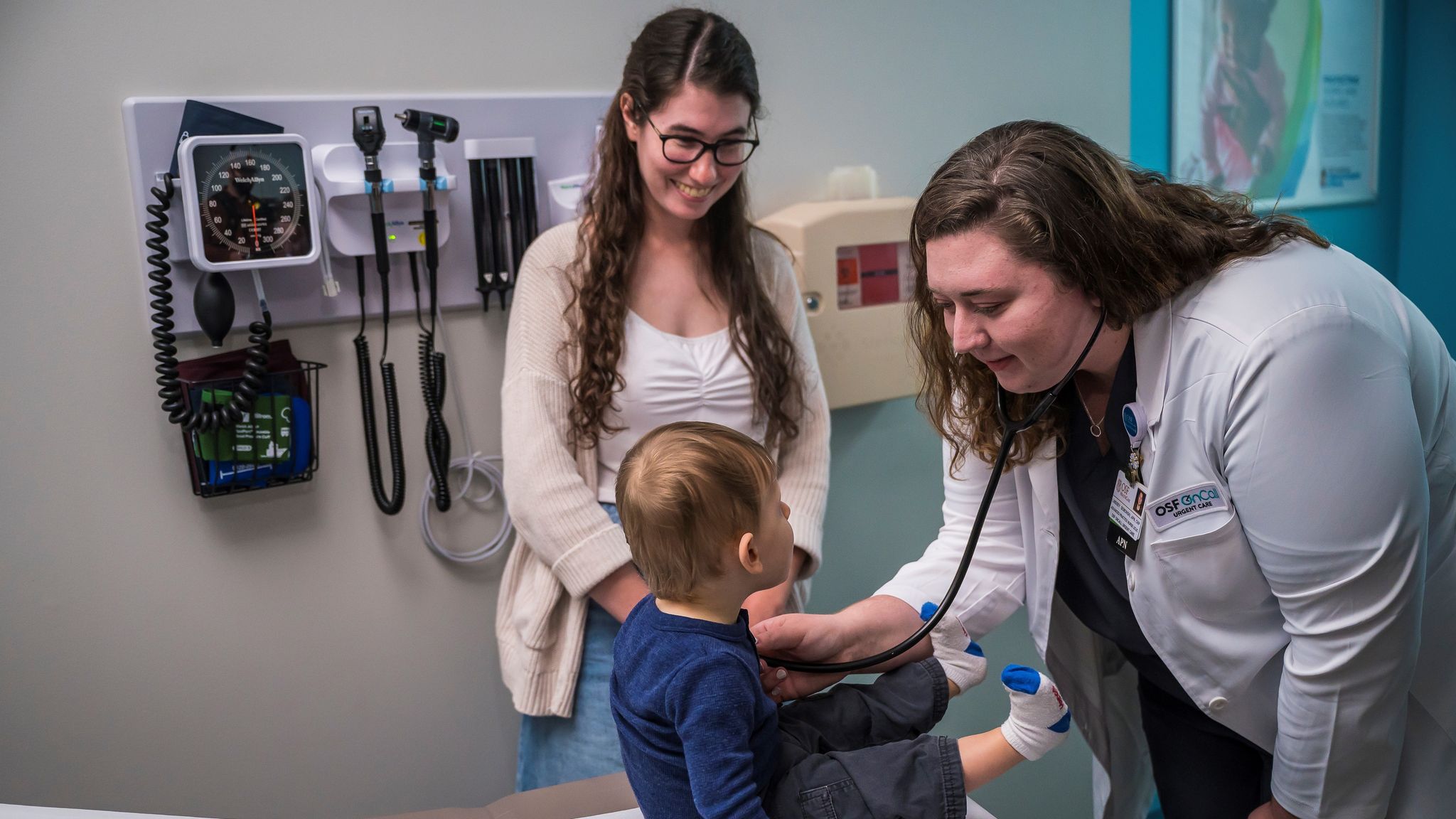
Emergency clinics handle a wide range of medical situations, from minor injuries to sudden illnesses that require prompt attention. Arriving unprepared slows check-in, and administrative delays can postpone necessary treatment. Clinical staff rely on accurate, readily available information to work efficiently. When patients gather documents and items before arriving, the intake process runs more smoothly, allowing medical personnel to focus on care rather than filling gaps in patient history. Here is more information on what emergency clinics are, when to seek care, and what items to bring:
What Is an Emergency Clinic?
An emergency clinic provides medical care for conditions that need prompt attention but may not warrant a full hospital emergency room visit. Physicians are trained to diagnose and treat a broad spectrum of conditions, and some clinics operate extended hours to fill gaps when primary care offices are closed. Select locations also offer diagnostic tools such as X-rays, bloodwork, and basic imaging.
When Is Emergency Care Needed?
Recognizing the signs that warrant a visit to an emergency clinic can improve treatment timing. Chest pain, difficulty breathing, uncontrolled bleeding, and sudden confusion typically require immediate evaluation; delays in addressing these symptoms can worsen outcomes and complicate recovery. Suspected fractures, deep wounds, and head trauma also fall into this category. When care is delayed in these cases, the risk of long-term complications increases.
Certain conditions are reliable indicators to seek emergency care; a persistent high fever, an allergic reaction, or a wound that will not stop bleeding are common triggers for a visit. Symptoms that intensify quickly or behave unpredictably warrant clinical evaluation, since staff can assess severity accurately and efficiently. Consulting a clinic helps determine when emergency care is needed.
What Should Patients Bring?
Arriving with the right documents and items streamlines registration, and it supports accurate diagnosis. Patients who prepare in advance may reduce delays, which allows clinical staff to focus on assessment rather than administrative issues. A valid photo ID and insurance card allow staff to verify identity and coverage. Patients should also bring a list of current medications, including dosages. Because certain medications interact with common treatments, this information affects what a physician can safely prescribe.
Additional items further support the visit, including:
- A brief written history of symptoms, including when they started and how they’ve changed
- Contact information for a primary care physician or specialist involved in ongoing treatment
- Any relevant medical records, such as recent test results or imaging reports
How Is Proper Preparation Beneficial?
Preparation affects how quickly patients receive treatment. When documentation and medication lists are readily available, staff can skip redundant questions, which shortens the intake process. This efficiency matters most when rapid intervention affects the outcome, and a prepared patient reduces the likelihood of miscommunication about allergies or existing conditions.
When patients prepare thoroughly for medical appointments, they provide information that supports greater diagnostic accuracy. Physicians rely on accurate medical histories to rule out complications and avoid prescribing conflicting treatments; incomplete information can lead to delays or errors. Bringing prior test results prevents duplicate testing. Patients who take a few minutes to gather these materials before leaving home may experience a more coordinated visit.
Seek Professional Help Today
Emergency clinics serve as a valuable resource for patients facing sudden illness or injury, and they offer faster access to care than some alternatives. Knowing what qualifies as an emergency, along with what to bring, helps patients move through the process more smoothly. Simple steps like organizing medications, gathering identification, and noting symptom history can influence the entire visit. If you have an urgent medical issue, visit a local emergency clinic.
