


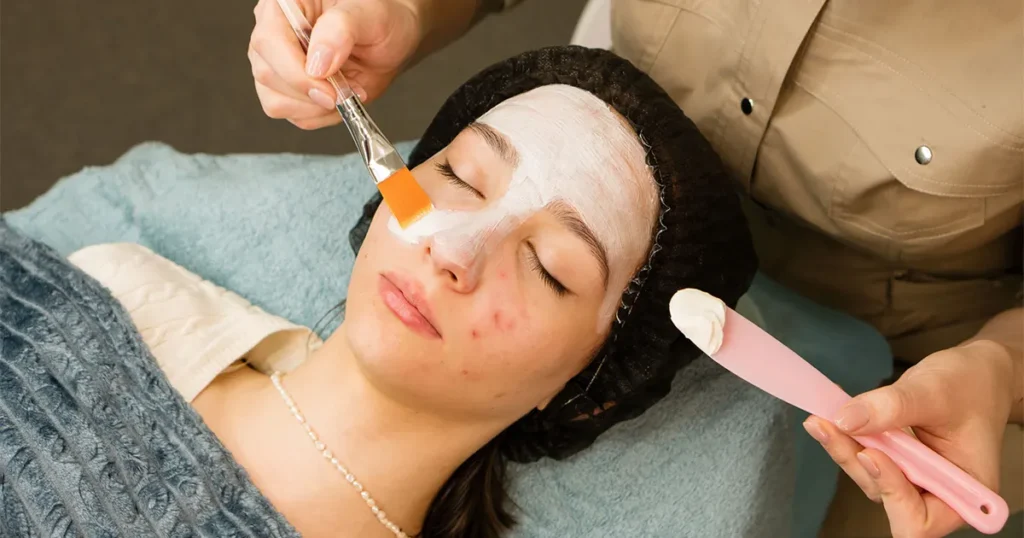
Acne is one of the most common skin conditions, affecting millions of teenagers and adults worldwide. Although it is often associated with adolescence, acne can develop at any age and may impact self-confidence if left untreated. Understanding what causes acne and learning effective treatment and prevention strategies can help you achieve clearer, healthier skin.
This guide explains the common causes of acne, available treatment options, and practical ways to prevent future breakouts.
What Is Acne?
Acne occurs when hair follicles become clogged with oil, dead skin cells, and bacteria. These clogged pores may develop into blackheads, whiteheads, pimples, cysts, or painful nodules.
Acne commonly appears on the face, chest, shoulders, and back because these areas contain a higher concentration of oil-producing glands.
Common Causes of Acne
Several factors contribute to acne development.
Excess Oil Production
Overactive sebaceous glands produce excess sebum, increasing the chances of clogged pores.
Hormonal Changes
Hormonal fluctuations during puberty, pregnancy, menstruation, or certain medical conditions can stimulate oil production and trigger acne.
Bacteria
The bacteria naturally present on the skin can multiply inside blocked pores, causing inflammation and redness.
Genetics
A family history of acne may increase your likelihood of developing the condition.
Certain Medications
Some medications, including corticosteroids and certain hormonal treatments, may contribute to acne breakouts.
Lifestyle Factors
Stress, lack of sleep, and poor skincare habits can worsen existing acne, although they are not always the primary cause.
Effective Acne Treatments
Treatment depends on the severity of acne and individual skin type.
Over-the-Counter Products
Products containing salicylic acid or benzoyl peroxide help unclog pores, reduce bacteria, and control inflammation.
Prescription Medications
Moderate to severe acne may require prescription creams, antibiotics, hormonal therapy, or oral medications recommended by a dermatologist.
Professional Treatments
Dermatologists may recommend chemical peels, laser therapy, light therapy, or extraction procedures for persistent acne and acne scars.
Daily Habits to Prevent Acne
Preventing acne involves maintaining consistent skincare habits.
Wash your face twice daily using a gentle cleanser designed for acne-prone skin. Avoid scrubbing aggressively, as this may irritate the skin and worsen inflammation.
Choose non-comedogenic skincare and makeup products that will not clog pores.
Avoid picking or squeezing pimples because doing so can lead to scarring and infection.
Clean makeup brushes, pillowcases, and mobile phone screens regularly to reduce bacteria exposure.
Maintain a balanced diet rich in vegetables, fruits, lean proteins, and whole grains. While diet affects everyone differently, reducing excessive sugary foods may help some individuals.
Common Acne Myths
Many misconceptions surround acne treatment.
One common myth is that acne results from poor hygiene. In reality, excessive washing can irritate the skin and make acne worse.
Another myth suggests that sunlight cures acne. Although temporary improvement may occur, prolonged sun exposure can damage the skin and increase the risk of premature aging and skin cancer.
Using toothpaste or household remedies on pimples is also discouraged because they may cause irritation or burns.
When to Consult a Dermatologist
Professional medical advice is recommended if:
- Acne is painful or cystic.
- Over-the-counter treatments have not worked after several weeks.
- Acne leaves scars or dark spots.
- Breakouts significantly affect your confidence or emotional well-being.
A dermatologist can create a personalized treatment plan based on your skin type and the severity of your acne.
Conclusion
Acne is a manageable skin condition with the right approach. Understanding its causes, using appropriate skincare products, following healthy daily habits, and seeking professional care when necessary can significantly improve your skin.
Consistency and patience are essential because acne treatments often take several weeks to show noticeable results. With proper care, clearer and healthier skin is an achievable goal.
