


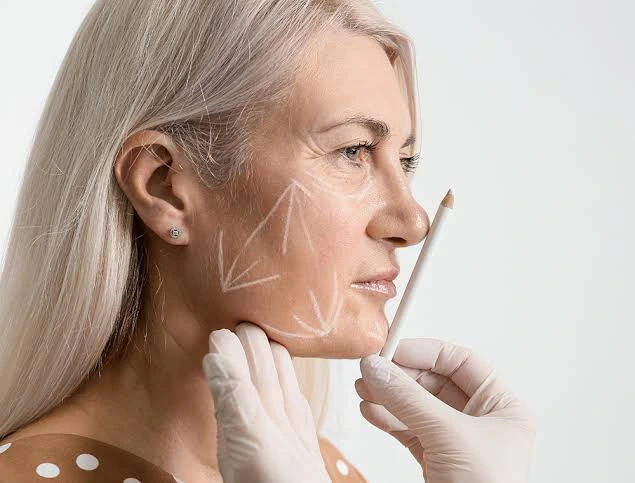
A facelift is a surgical procedure that lifts and firms the skin of the face and neck, and understanding your options helps you decide. Surgeons use several methods, and each one targets different signs of aging. When you know the terms, you feel more prepared to talk with your provider. Here are some different techniques used for this procedure:
Traditional Facelift
The traditional facelift addresses bigger changes across the face and neck. Surgeons make incisions along the hairline, and they extend them around the ears. For some people, this approach reaches loose skin and shifted tissue below the surface.
Recovery from a traditional facelift may take longer than lighter methods. You rest at home for a set period, and swelling fades over several weeks. Since the technique treats a wider area, follow-up visits track your healing. Your surgeon reviews progress at each stage.
This method suits people with more pronounced changes. It works on the mid-face, jawline, and neck together. When multiple areas need attention, one surgeon may recommend this route. You can discuss the full plan during your consultation.
Limited Facelift
A limited facelift uses shorter incisions than the traditional version. Surgeons focus on specific zones, and the smaller scope often means less downtime. This option targets early signs of sagging rather than big changes. Candidates for this technique typically have mild to moderate concerns. This procedure typically incorporates these features:
- Shorter incisions near the ears
- Focus on the lower face and cheeks
- Faster recovery than the traditional method
- Fewer areas treated in one session
Tightened Underlying System
This technique works on the superficial musculoaponeurotic system (SMAS) layer beneath the skin. The SMAS is a sheet of muscle and tissue, and surgeons reposition it for firmer support. Tightening this layer addresses structure rather than surface skin alone.
Surgeons lift and secure the deeper tissue during the procedure. You keep results that rely on structure, not tension on the skin. Since the method treats the foundation, it suits deeper sagging. Your surgeon explains how this layer affects your outcome.
Minimal Incisions
Minimal incision techniques use very small entry points. Surgeons work through these openings, and scarring stays limited. This approach appeals to people who want a shorter recovery. The method treats smaller areas than a full facelift. Try these common traits:
- Small incisions with limited scarring
- Shorter procedure time
- Reduced downtime for many patients
Results depend on your skin and the extent of change. As the scope is narrow, it fits mild concerns well. You review candidacy with a qualified provider before booking. Since your face is unique, the right method depends on your exam. When you meet with a medical team, you get clear guidance built around your needs.
Schedule a Facelift Consultation
Each facelift technique treats different needs and concerns based on your individual profile. A consultation gives you specific answers, and it starts your personalized treatment plan. During this visit, our expert staff reviews your skin, structure, and goals. Book your consultation today to talk with trained specialists, and call the office or request an appointment online.
