


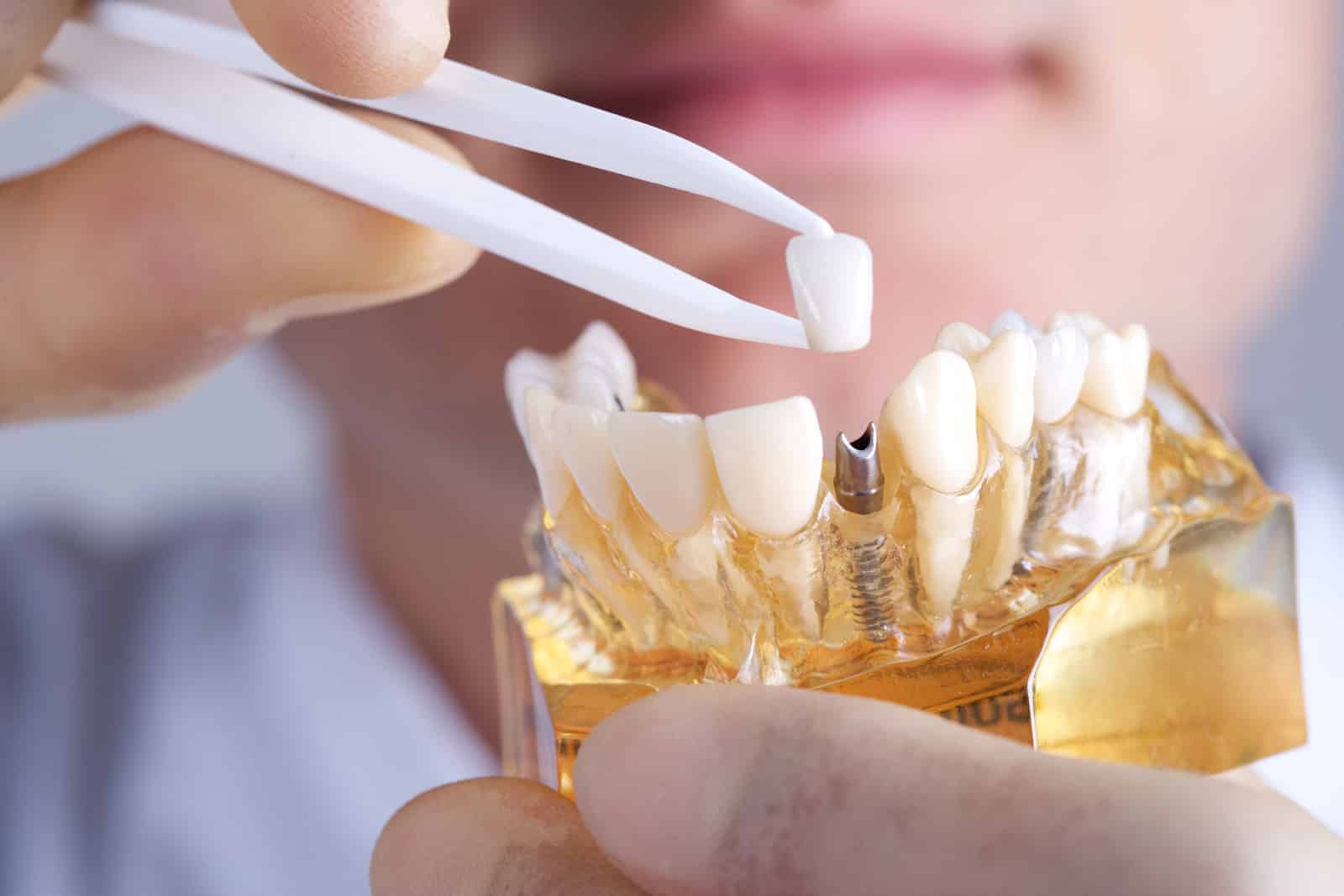
Dental implants restore oral functionality by replacing missing teeth with titanium posts that fuse to the jawbone; they create a stable foundation for chewing, speaking, and biting. Unlike dentures or bridges, implants prevent bone loss. They work like natural tooth roots, which offer long-term stability for patients with missing or damaged teeth. Here is more information on what dental implants are and how they work:
What Are Dental Implants?
Dental implants are titanium posts surgically placed into the jawbone to serve as artificial tooth roots. Once the implant has integrated with the bone, a dentist attaches a custom-made crown, and the result is a replacement tooth that matches the size, shape, and color of surrounding teeth. Titanium is biocompatible, which means the body accepts it without rejection in most cases.
Unlike removable dentures, implants are fixed in place, and patients don’t need to remove them for cleaning or experience slippage while eating or speaking. The implant fuses directly with the jawbone through a process called osseointegration. Because this fusion creates a stable foundation that other tooth replacement options cannot replicate, implants are a structurally sound solution.
How Do They Work?
The implant process begins with a surgical procedure to place the titanium post into the jawbone. As the bone grows around the implant over the following months, it locks firmly into place. This gradual fusion provides long-term structural stability, and the healing period allows the implant to function as a sturdy anchor. Once osseointegration is complete, the dentist attaches an abutment. The abutment connects the implant to the visible crown, and the dentist then custom-fits the final crown to blend seamlessly with the patient’s bite and smile.
How Is Oral Functionality Impacted?
Dental implants restore chewing power that missing teeth take away. When gaps exist in the mouth, patients often struggle to bite into firm foods or chew thoroughly, which can lead to digestive strain and dietary limitations. Implants distribute bite force evenly across the jaw, and this allows patients to eat a wider range of foods without discomfort.
Speech may also improve with implants in place. Gaps between teeth or ill-fitting dentures can cause slurring, whistling sounds, or difficulty pronouncing certain words, and these all affect daily communication. A fixed implant restores the natural positioning of the tongue and lips against the teeth, which corrects these speech disruptions over time.
Implants also benefit jawbone health; natural tooth roots stimulate the bone through everyday chewing and biting. This stimulation stops once a tooth is lost. Since implants replicate that stimulation, they slow the bone loss that often follows tooth extraction. They also help maintain facial structure over time.
What Are the Benefits?
Patients gain several practical advantages with dental implants, including:
- Stability during eating and speaking, without shifting or discomfort
- Preservation of jawbone density, which supports long-term facial structure
- Protection of adjacent teeth, since implants don’t require altering neighboring teeth
Dental implants are a durable solution for tooth replacement. Because they integrate with the jawbone, implants can last decades with proper care. Other solutions wear down over time, but implants maintain their function and structure. Since implants function much like natural teeth, eating and speaking may feel more natural, and patients experience fewer disruptions to their daily routines.
Consult a Dentist Today
Dental implants offer a functional solution for patients with missing teeth; from restoring chewing ability to preserving jawbone density, implants address the practical challenges of tooth loss. If you have missing teeth, speak with a dentist to determine whether implants suit your needs. A dental professional can assess bone density and recommend the most appropriate treatment plan.
