


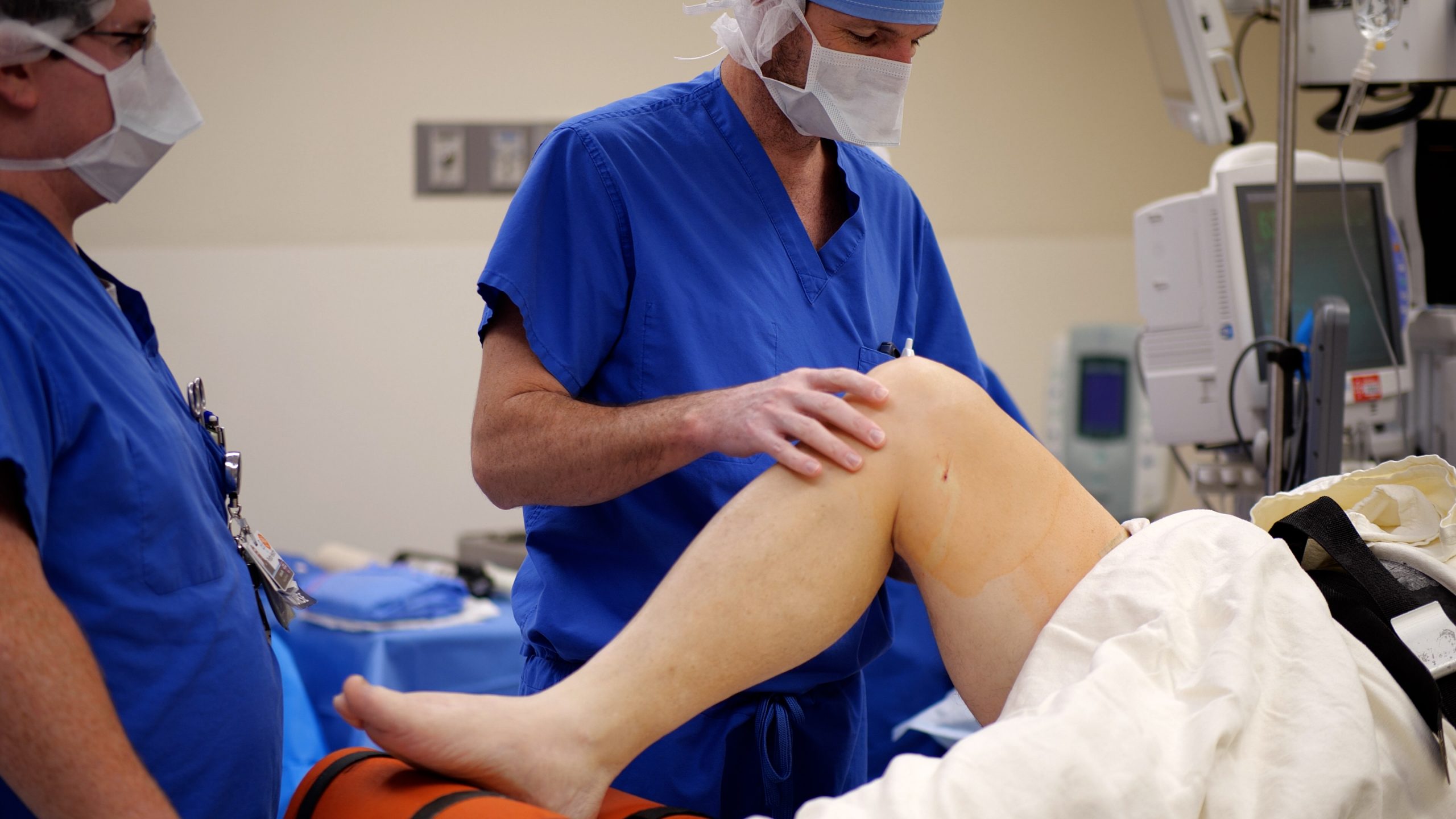
Knee replacement surgery can improve mobility and relieve persistent joint pain, but the procedure involves several challenges. Understanding surgical risks and recovery expectations can help patients prepare for treatment and make informed decisions. Here is an overview of how to navigate the challenges of knee replacement surgery:
Preparing for Surgery
Preparation begins weeks before your knee replacement procedure, and it lays the groundwork for a smooth recovery. Your surgeon reviews your medical history, orders imaging tests, and confirms that your body is ready for the operation. You may receive guidance on medications, physical conditioning, and home adjustments, and following these steps closely gives you a good starting point.
Physical readiness plays a key role, so patients often complete light exercises that strengthen the muscles around the knee. You should also arrange your living space in advance, removing tripping hazards and setting up support rails where needed. When you plan ahead, you make sure that recovery tools are within reach when you return home.
Managing Early Recovery
The first days after knee replacement focus on rest, pain management, and gentle movement. Your care team monitors your progress closely and adjusts your plan based on how your knee responds. Here is what patients can expect:
- Pain control: Your team provides medication and other methods to keep discomfort manageable, help you rest, and begin moving sooner.
- Wound care: Keeping the incision clean and dry lowers the risk of complications.
- Early mobility: A physical therapist guides you through short and supervised movements to support circulation and joint function.
- Assistive devices: Walkers or crutches offer stability during the first weeks, and they reduce strain on the healing joint as you rebuild balance.
Rebuilding Strength and Movement
Once the early phase passes, the focus moves toward restoring strength and range of motion in the joint. Physical therapy becomes central during this period; your therapist designs exercises that gradually increase in difficulty. Each session targets specific goals, such as bending the knee further or supporting more weight without discomfort. Progress varies from person to person, and your surgeon adjusts the plan when your body signals that it is ready for the next step.
Adapting to Long-term Changes
Life after knee replacement often includes lasting adjustments that support the health of the new joint. Here are some common components that can help with long-term care:
- Activity choices: Low-impact activities place less stress on the joint, and they keep you active without excessive wear.
- Weight management: Maintaining a healthy weight reduces pressure on the knee, and this habit supports the implant in the long term.
- Regular check-ups: Follow-up visits allow your surgeon to monitor the joint, and these appointments help to detect potential issues early.
- Ongoing exercise: Continued strengthening keeps surrounding muscles firm to help the joint function smoothly during everyday movement.
Schedule Your Knee Replacement Appointment
A successful knee replacement requires a commitment to proper preparation, post-operative care, and long-term maintenance. You can significantly improve the outcome and longevity of your knee implant by adhering to recovery guidelines and incorporating healthy habits. Regular follow-ups with your surgeon are also fundamental in making sure your joint remains in optimal condition. Contact a qualified orthopedic surgeon near you to schedule your knee replacement appointment today.
