


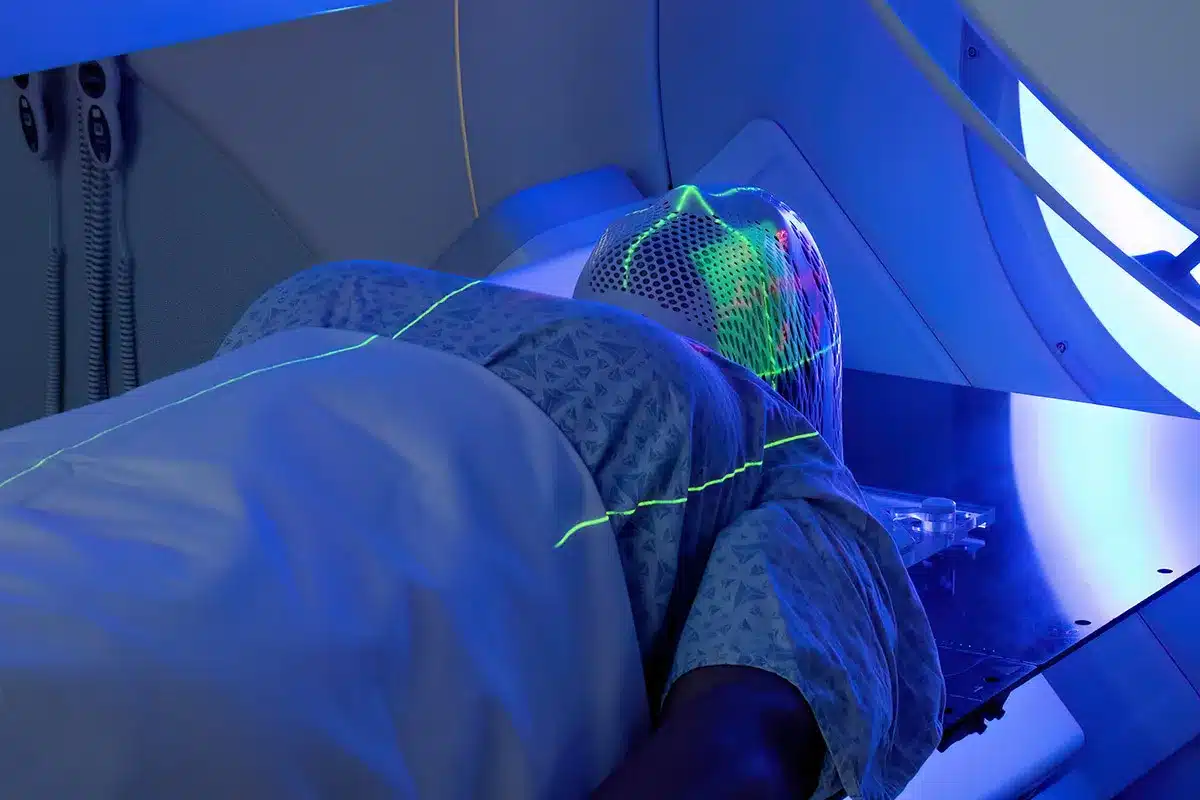
Cryoablation is a minimally invasive procedure that uses extreme cold to treat certain tumors. An interventional radiologist evaluates each patient and determines whether cryoablation is an appropriate treatment option based on the diagnosis and healthcare needs. Learning about cryoablation can help patients better understand available treatment options. Here is more information about the benefits of cryoablation for tumors:
Understanding the Procedure
Cryoablation uses a specialized probe to deliver extreme cold to targeted tissue during a minimally invasive procedure. An interventional radiologist uses imaging guidance to position the probe and perform the treatment. The procedure is completed according to the patient’s diagnosis, tumor location, and healthcare needs. Your provider discusses the treatment process, recovery, and follow-up care before the procedure.
Treating Different Tumor Types
Cryoablation may be used to treat certain tumors or provide symptom management for selected conditions. An interventional radiologist determines whether cryoablation is appropriate based on the diagnosis and healthcare needs. The procedure may be used for:
- Kidney tumors
- Lung tumors
- Chest tumors
- Liver tumors
- Cervical cancer
Treatment recommendations are based on the patient’s evaluation, imaging findings, and overall treatment plan.
Recovering After the Procedure
Recovery after cryoablation varies according to the procedure and each patient’s healthcare needs. An interventional radiologist provides instructions for recovery before you leave the treatment facility. Follow-up care is scheduled according to your treatment plan.
Some patients return home on the same day as their procedure. Others may require additional observation depending on the treatment and medical condition. Recovery recommendations are based on the procedure performed. Your provider monitors your progress during follow-up visits.
Recovery timelines differ from one patient to another. Your care team discusses activity recommendations and follow-up imaging when appropriate. Ongoing care is coordinated according to your diagnosis and overall treatment plan.
Supporting Precise Treatment
Cryoablation uses image guidance to target selected areas during a minimally invasive procedure. An interventional radiologist monitors the treatment in real time using medical imaging throughout the procedure. The approach may be used for certain tumors based on their location, size, and the patient’s healthcare needs. Your provider recommends the most appropriate treatment plan according to your diagnosis and evaluation.
Determining Cryoablation Candidates
Cryoablation may be appropriate for certain patients with specific tumor types or treatment needs. An interventional radiologist reviews your diagnosis, imaging studies, and medical history before recommending a treatment approach. Eligibility is determined through a comprehensive evaluation.
Some patients may be candidates when surgery is not the preferred treatment option. Cryoablation will sometimes also be discussed for selected patients receiving symptom management. Treatment recommendations depend on the patient’s diagnosis, overall health, and healthcare needs. Your provider explains the available options as part of your individualized treatment plan.
Schedule Your Consultation Today
An interventional radiologist may use cryoablation to treat certain tumors and selected medical conditions. A provider evaluates your diagnosis, reviews your imaging, and determines whether cryoablation is appropriate for your healthcare needs. Your care team develops a treatment plan based on your evaluation and overall medical condition. Your provider coordinates follow-up care throughout your treatment. Schedule an appointment today to discuss whether cryoablation may be an option for you.
