


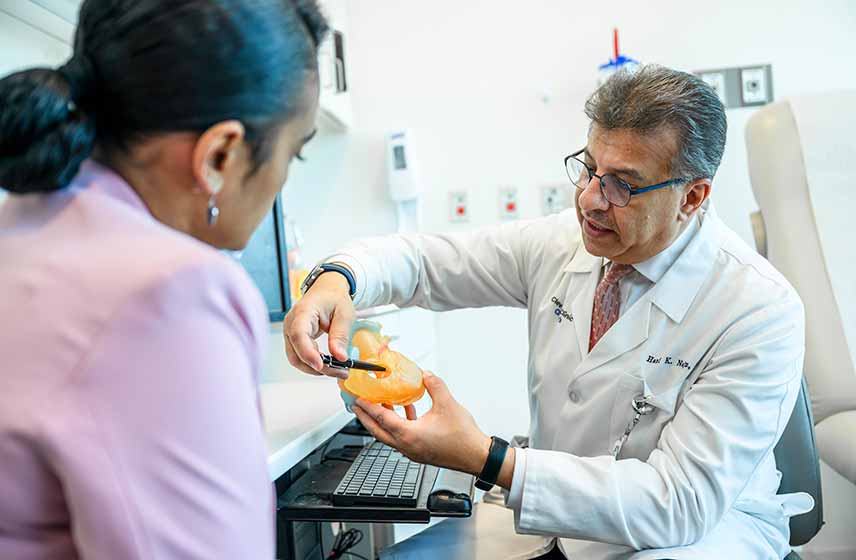
Congenital heart defects (CHDs) are structural issues with the heart present at birth. Cardiology plays a central part in the diagnosis, treatment, and long-term management of individuals with these conditions. Cardiologists’ role involves coordinating care from infancy through adulthood, working within a multidisciplinary team to support patients and their families. This management focuses on monitoring heart function, guiding lifestyle choices, and facilitating appropriate interventions to help patients lead full lives.
What Are Congenital Heart Defects?
Congenital heart defects arise from problems in the heart’s development before birth. These defects can affect the heart’s walls, valves, arteries, or veins. The blood flow through the heart can be slowed, redirected, or blocked entirely. There are many different types of CHDs, ranging from mild to severe.
CHDs include septal defects, which are holes in the walls between the heart’s chambers. Valve defects can also be present, involving heart valves that may be narrowed, leaky, or completely closed, all of which disrupt normal blood flow. There are also more complex defects, which involve multiple structural problems. The cause of most CHDs is unknown, though genetics and certain environmental factors can play a role.
What Are the Symptoms?
The signs and symptoms of a congenital heart defect depend on the type and severity of the condition. Serious defects are often diagnosed during pregnancy or shortly after birth. In some cases, a defect may not be discovered until childhood or even adulthood.
Symptoms in newborns and infants can include:
- Rapid breathing or shortness of breath
- A bluish tint to the skin, lips, and fingernails (cyanosis)
- Fatigue
In older children and adults, symptoms may manifest as:
- Becoming easily short of breath during exercise or activity
- Tiring quickly
- An irregular heartbeat (arrhythmia)
Some individuals with mild defects may have no noticeable symptoms. A cardiologist can identify potential issues through a physical examination, such as listening for a heart murmur, which is an unusual sound heard during a heartbeat.
How Does Cardiology Treat Them?
Cardiological management encompasses several key components. Evaluation and diagnostics play a central role, with cardiologists utilizing tools such as echocardiograms, which use sound waves to create images of the heart. In certain cases, additional imaging tests like cardiac MRI scans are used to provide more detailed information. Surveillance forms the foundation of ongoing care, as regular follow-up appointments help monitor the patient’s condition, identify new symptoms, and address potential complications as they arise.
Lifestyle guidance is another significant aspect. Cardiologists may offer tailored recommendations regarding diet, physical activity, and other lifestyle factors that can support optimal heart health. In some cases, clinicians prescribe medications to help manage symptoms or reduce the risk of complications. For restorative intervention, certain defects can be addressed through non-surgical procedures such as cardiac catheterization, while others may require a referral for heart surgery to correct structural issues.
Support can also be provided for women with CHDs, especially during pregnancy planning. Cardiologists may work in conjunction with obstetricians to offer guidance and monitoring before and during pregnancy, managing health for both mother and child. As patients mature, a structured transition from pediatric to adult cardiology services is often utilized, allowing for continued, uninterrupted access to the specialized care required throughout life.
Meet With a Cardiologist
Preparing for an appointment can help you and your cardiologist work together effectively. Ongoing follow-up with a cardiologist is a cornerstone of managing a congenital heart defect. These regular visits support coordinated care, allowing your physician to monitor your health, adjust management plans as needed, and provide you with the information and resources to participate actively in your own healthcare journey.
