


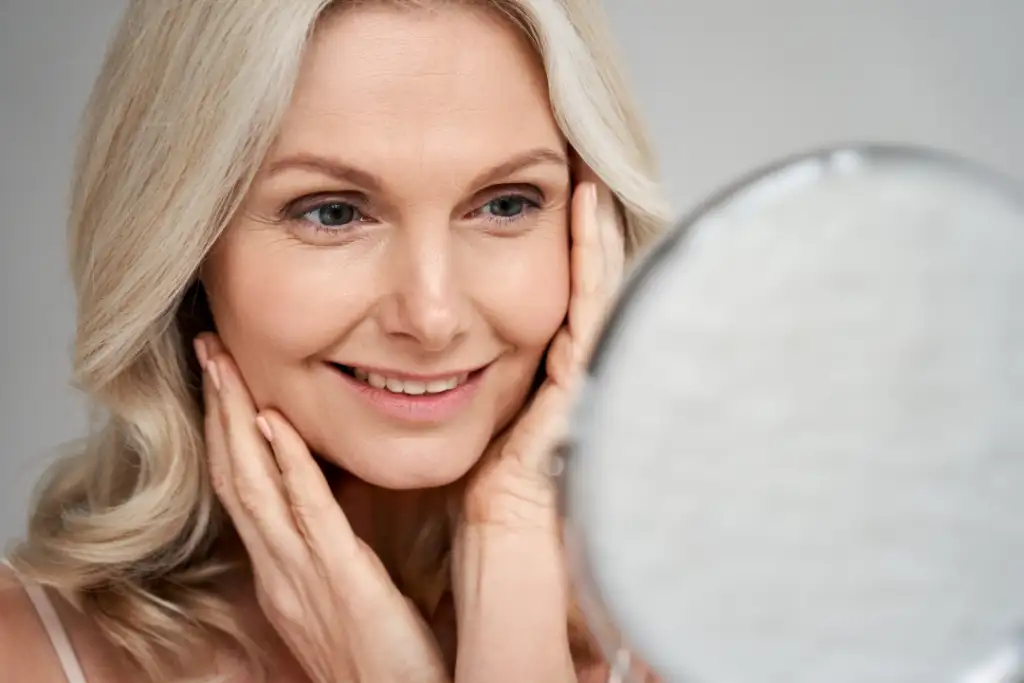
Medical-grade solutions target the underlying causes of skin deterioration, including collagen loss, reduced cellular repair, and increased muscle activity, which can collectively contribute to visible changes in the skin. These treatments span a range of clinical procedures, and they address the signs of aging, including fine lines and wrinkles. Here is more information on anti-aging treatments, what each involves, how they work, and the specific benefits they offer to patients seeking to restore and maintain a more youthful appearance:
What Are Anti-aging Treatments?
Anti-aging treatments are medical and cosmetic procedures designed to reduce or reverse the visible effects of aging on the skin. Since these treatments target specific physiological processes, they are administered by trained professionals in clinical settings, where precision and safety are prioritized. Three standard treatments are medical-grade supplements, Botox®, and dermal fillers. Medical-grade supplements support skin health from within, delivering concentrated nutrients that promote collagen production and cellular repair. Botox® and dermal fillers address visible surface concerns, while supplements work systemically to support the skin’s underlying structure.
What Do They Involve?
Each treatment follows a distinct clinical process, and understanding these processes can help individuals make informed decisions about their care. Botox® involves injecting small amounts of botulinum toxin into targeted facial muscles. By temporarily relaxing muscles, the treatment reduces the appearance of dynamic wrinkles. No downtime is required, so patients can return to their daily activities quickly.
Dermal fillers use gel-like substances injected beneath the skin. This restores lost volume, and it smooths deep-set lines. Medical-grade supplements are taken as part of a structured skincare regimen. While they work differently from injectable treatments, they serve a complementary role in overall skin health. A qualified practitioner will assess the patient’s skin type and concerns before recommending the most appropriate treatment plan.
How Is the Skin Revitalized?
Skin revitalization occurs through different mechanisms depending on the treatment used. Botox® blocks nerve signals to specific facial muscles; this prevents the repetitive movements that cause wrinkles to deepen over time. Because these signals are interrupted, the overlying skin appears smoother and more relaxed, particularly around the forehead, eyes, and mouth.
Dermal fillers restore structural support to areas that have lost collagen and fat due to aging. By replenishing volume beneath the skin’s surface, fillers create a lifted, more youthful appearance. Patients may notice results immediately following the procedure; the skin regains a firmer, more defined contour as the filler integrates with surrounding tissue. Medical-grade supplements complement injectable treatments by delivering key nutrients that support skin repair.
What Are the Benefits?
Anti-aging treatments offer benefits that extend beyond aesthetics, addressing both the structural and physiological aspects of skin health. Key benefits include:
- Reduced fine lines and wrinkles through muscle relaxation and volume restoration
- Improved skin tone and texture from increased collagen stimulation and cellular renewal
- Long-lasting results when treatments are maintained on a recommended schedule
Medical-grade supplements add another layer of benefit by supporting skin health between in-office procedures. These treatments create a comprehensive approach to skin revitalization, one that addresses the surface and structural causes of aging.
Revitalize Your Skin Today
Anti-aging treatments offer a clinically supported path to healthier, more youthful-looking skin. Each treatment targets aging through a distinct mechanism, and when used together, they form a comprehensive approach to skin revitalization. If you are exploring your options, consult a practitioner who specializes in skin revitalization.
