


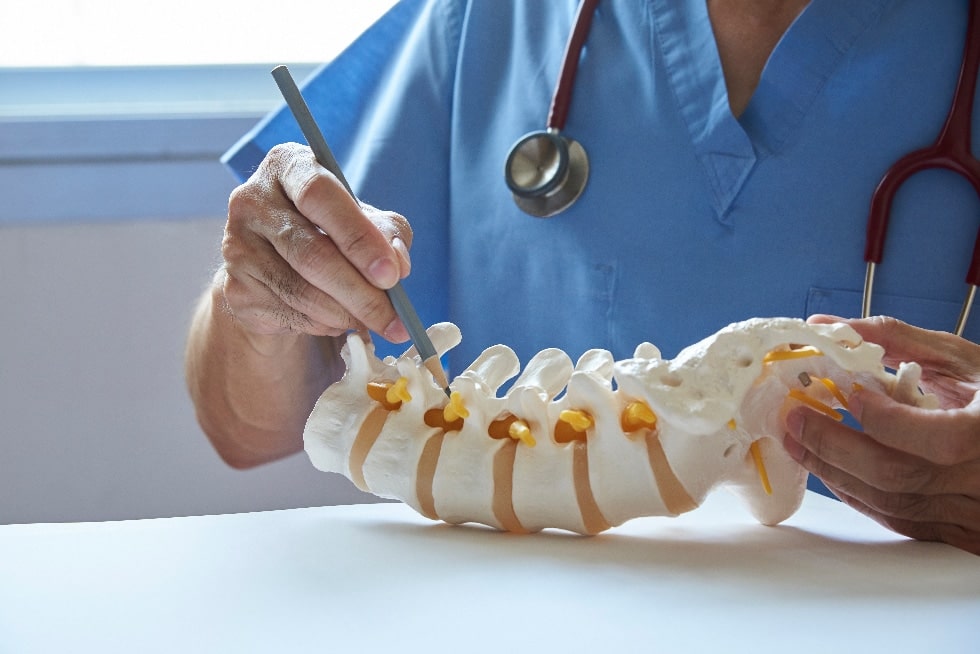
An orthopedic surgeon is a physician who diagnoses and treats conditions affecting the musculoskeletal system, and this system includes bones, joints, muscles, ligaments, and tendons. These specialists manage a wide range of concerns, from sports injuries to age-related joint conditions; they may recommend nonsurgical treatments or surgical procedures depending on your situation. Here are some questions to ask an orthopedic surgeon:
What Is Causing My Pain?
Pain can stem from many sources, so identifying the exact cause is one of the first steps in treatment. An orthopedic surgeon may review your medical history, examine the affected area, and order imaging tests. These tests may include:
- X-rays
- MRIs
- CT scans
- Ultrasounds
- Bone scans
How Can I Prevent Injuries?
Prevention is a common topic during orthopedic visits, and many patients want to protect themselves from future problems. An orthopedic surgeon can discuss activities that place stress on your joints and muscles. They may also suggest ways to modify your movements during exercise or daily tasks. Asking about proper technique can be useful because form tends to influence the risk of strain. The surgeon might recommend:
- Stretching routines
- Strength exercises
- Supportive equipment
- Proper footwear tailored to your activity
- Maintaining a healthy weight to reduce joint strain
- Learning to recognize early signs of discomfort or overuse
- Gradually increasing activity intensity to avoid sudden stress
- Taking regular breaks during repetitive tasks
You can also request guidance on warming up before physical activity and cooling down afterward. These conversations give you practical steps to discuss as part of your routine.
What Are Custom Orthotics?
Custom orthotics are devices designed to fit the specific shape of your feet, and they differ from the inserts sold in stores. An orthopedics specialist can explain how these devices are made and how they support posture or gait. The process usually involves measurements or molds of your feet.
You may want to ask whether custom orthotics suit your particular condition. Some people use them to address alignment concerns, and others use them to distribute pressure more evenly. The surgeon can describe how the devices work and how long they typically last. Asking about care instructions helps you keep the orthotics in good condition over time.
Is Knee Replacement an Option?
Knee replacement involves removing damaged portions of the knee joint and replacing them with durable, artificial components. An orthopedics specialist can outline when this option is appropriate for a patient. The decision often depends on the severity of the joint damage and how it affects your movement. Before discussing surgery, you might ask about nonsurgical treatments that would address your symptoms. The surgeon can explain the potential risks of the procedure, and they are also able to describe the expected recovery timeline.
Find an Orthopedic Surgeon Today
An orthopedic surgeon evaluates and treats conditions that affect the musculoskeletal system, and this role covers both diagnosis and ongoing care. Orthopedics specialists offer conservative and surgical care depending on the needs of each patient. Some conditions respond to nonsurgical approaches such as physical therapy or supportive devices. Other situations may call for procedures that address more advanced concerns. If you want to learn more about orthopedic services, consult an orthopedic surgeon near you.
