


Good oral health is an important part of overall well-being. Healthy teeth and gums not only give you a confident smile but also help you eat, speak, and maintain proper nutrition. Poor oral hygiene can lead to cavities, gum disease, bad breath, and even increase the risk of certain health conditions. Fortunately, maintaining good oral health is simple when you follow a consistent daily routine.
Here are ten essential tips to keep your teeth and gums healthy for years to come.
1. Brush Your Teeth Twice a Day
Brushing your teeth every morning and before bed is the foundation of good oral hygiene. Use a soft-bristled toothbrush and fluoride toothpaste to remove plaque, bacteria, and food particles.
Brush for at least two minutes, making sure to clean all surfaces of your teeth, including the back molars and along the gumline. Replace your toothbrush every three to four months or sooner if the bristles become worn.
2. Floss Daily
Brushing alone cannot remove plaque and food debris trapped between your teeth. Daily flossing helps clean these hard-to-reach areas, reducing the risk of cavities and gum disease.
Be gentle while flossing to avoid injuring your gums, and use a clean section of floss for each tooth.
3. Use Fluoride Toothpaste
Fluoride strengthens tooth enamel and helps prevent tooth decay. Most dentists recommend using fluoride toothpaste as part of your daily oral care routine.
Children should use age-appropriate amounts of fluoride toothpaste under adult supervision.
4. Limit Sugary Foods and Drinks
Frequent consumption of sugary snacks and beverages feeds harmful bacteria in your mouth. These bacteria produce acids that weaken tooth enamel and increase the risk of cavities.
Choose healthier snacks such as fruits, vegetables, cheese, yogurt, or nuts, and drink plenty of water throughout the day.
5. Stay Hydrated
Water helps wash away food particles and bacteria while supporting saliva production. Saliva naturally protects your teeth by neutralizing acids and preventing dry mouth.
Drinking water after meals is a simple habit that benefits your oral health.
6. Avoid Tobacco Products
Smoking and other tobacco products increase the risk of gum disease, tooth discoloration, bad breath, and oral cancer. Tobacco also slows the healing process after dental procedures.
Quitting tobacco can significantly improve both your oral and overall health.
7. Visit Your Dentist Regularly
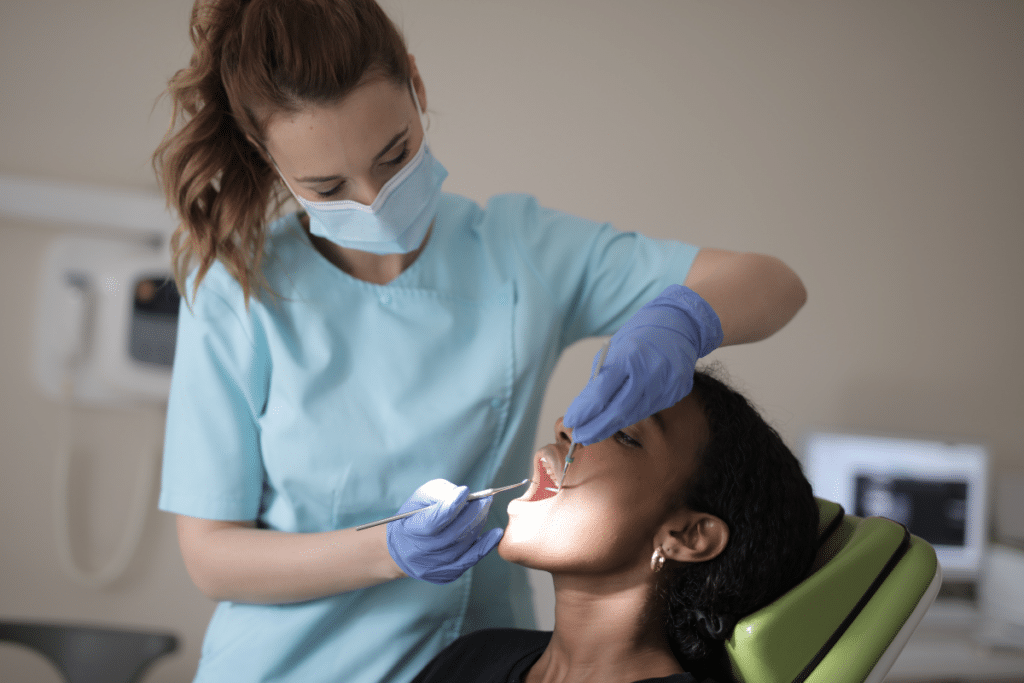
Routine dental checkups allow your dentist to detect problems early before they become more serious and expensive to treat.
Professional cleanings remove hardened plaque, known as tartar, that cannot be removed by brushing or flossing at home. Most people benefit from a dental examination every six months, although your dentist may recommend a different schedule based on your oral health needs.
8. Protect Your Teeth During Sports
If you participate in contact sports or activities with a risk of facial injury, wear a properly fitted mouthguard. Mouthguards help protect your teeth, gums, and jaw from accidental impacts.
Athletes of all ages can benefit from using protective dental equipment.
9. Replace Bad Oral Habits
Certain habits can damage your teeth over time. Avoid using your teeth to open packages, chewing on ice, biting your nails, or grinding your teeth.
If you grind your teeth while sleeping, speak with your dentist about a custom night guard.
10. Pay Attention to Warning Signs
Do not ignore symptoms such as bleeding gums, persistent bad breath, tooth sensitivity, loose teeth, or mouth sores that do not heal. These may indicate underlying dental problems requiring professional evaluation.
Early treatment often prevents more complex dental procedures in the future.
Benefits of Good Oral Hygiene
Maintaining healthy teeth and gums offers numerous benefits, including:
- Lower risk of cavities and gum disease
- Fresher breath
- Stronger teeth
- Improved confidence
- Better overall health
- Reduced need for extensive dental treatments
A consistent oral hygiene routine is one of the best investments you can make in your long-term health.
Conclusion
Good oral health depends on daily habits and regular professional care. Brushing twice a day, flossing daily, eating a balanced diet, staying hydrated, avoiding tobacco, and visiting your dentist regularly all contribute to a healthy smile.
By following these ten essential tips, you can reduce your risk of dental problems and enjoy strong, healthy teeth throughout your life. Small daily efforts can lead to lasting oral health and a confident smile.
