


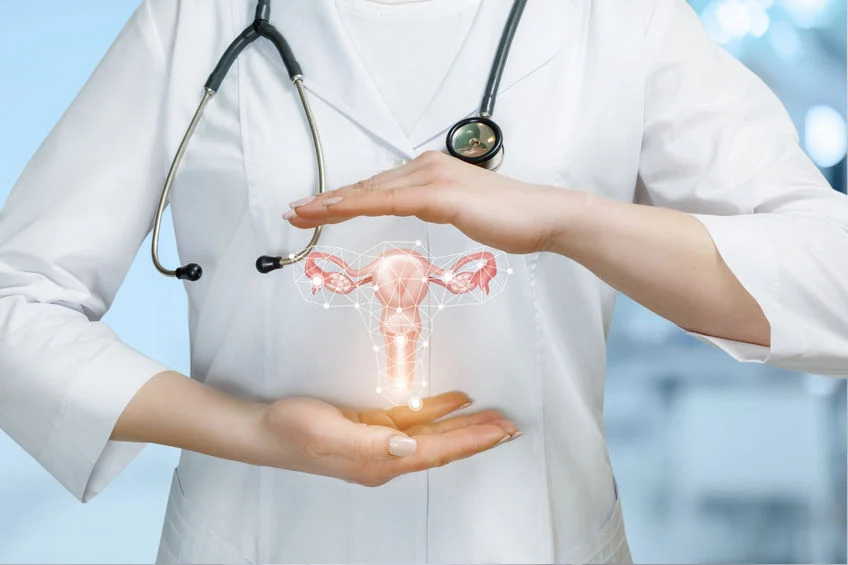
Women’s reproductive health plays a vital role in overall well-being and quality of life. From adolescence to menopause and beyond, maintaining good reproductive health supports hormonal balance, fertility, pregnancy, and healthy aging. Regular preventive care, healthy lifestyle choices, and awareness of changes in the body can help detect potential health concerns early and improve long-term wellness.
Whether you are a teenager, an adult, or approaching menopause, understanding how to care for your reproductive health is essential at every stage of life.
Understanding Reproductive Health
Reproductive health includes the proper functioning of the reproductive organs, hormonal health, menstrual health, fertility, pregnancy, and menopause. It also involves preventing infections, recognizing abnormal symptoms, and receiving appropriate medical care when needed.
Routine gynecological care helps identify health concerns before they become serious and supports overall physical and emotional health.
Reproductive Health During Adolescence
Puberty is a significant stage of development marked by hormonal changes and the beginning of menstruation.
During these years, it is important to:
- Learn about the menstrual cycle.
- Practice good personal hygiene.
- Eat a balanced, nutritious diet.
- Stay physically active.
- Discuss any unusual menstrual symptoms with a healthcare provider.
Irregular periods may occur during the first few years of menstruation, but persistent concerns should be evaluated by a medical professional.
Caring for Reproductive Health During Adulthood
During adulthood, maintaining reproductive health involves regular preventive care and healthy daily habits.
Key recommendations include:
Schedule Routine Gynecological Checkups
Regular examinations allow healthcare providers to monitor reproductive health, answer questions, and detect conditions early.
Practice Safe Sexual Health
Using appropriate protection and maintaining open communication with healthcare providers helps reduce the risk of sexually transmitted infections (STIs) and supports reproductive wellness.
Maintain a Healthy Lifestyle
Eating nutritious foods, exercising regularly, managing stress, and getting adequate sleep contribute to hormonal balance and overall reproductive health.
Monitor Menstrual Health
Keep track of your menstrual cycle, including changes in flow, pain, or cycle length. Significant changes should be discussed with a healthcare professional.
Pregnancy and Prenatal Health
If you are planning a pregnancy or become pregnant, early prenatal care is essential for both maternal and fetal health.
Important prenatal health habits include:
- Attending regular prenatal appointments.
- Eating a nutrient-rich diet.
- Taking prenatal vitamins as recommended.
- Avoiding smoking, alcohol, and recreational drugs.
- Staying physically active with healthcare provider approval.
Early prenatal care helps monitor the baby’s development and reduces the risk of pregnancy complications.
Reproductive Health During Menopause
Menopause is a natural stage of aging that marks the end of menstrual periods. Common symptoms include:
- Hot flashes
- Night sweats
- Mood changes
- Vaginal dryness
- Sleep disturbances
Maintaining regular exercise, a healthy diet rich in calcium and vitamin D, and routine medical care can help manage symptoms and support bone and heart health during this stage.
Healthy Habits for Lifelong Reproductive Wellness
Simple lifestyle choices can have a lasting impact on reproductive health.
- Eat a balanced diet rich in fruits, vegetables, whole grains, and lean proteins.
- Stay physically active most days of the week.
- Maintain a healthy body weight.
- Avoid smoking and limit alcohol consumption.
- Practice good personal hygiene.
- Manage stress through relaxation techniques and regular exercise.
- Get sufficient sleep every night.
These habits support hormonal health, immune function, and overall well-being.
When Should You See a Gynecologist?
Schedule an appointment if you experience:
- Irregular or very heavy menstrual bleeding
- Severe pelvic pain
- Persistent vaginal itching or unusual discharge
- Pain during intercourse
- Missed periods unrelated to pregnancy
- Bleeding after menopause
- Difficulty becoming pregnant
Prompt evaluation can lead to early diagnosis and more effective treatment.
Conclusion
Maintaining reproductive health is an important part of every woman’s overall wellness. Regular gynecological checkups, healthy lifestyle habits, safe sexual practices, and awareness of changes in your body all contribute to lifelong reproductive health.
By taking a proactive approach and seeking medical advice when concerns arise, women can protect their reproductive health, improve their quality of life, and support healthy aging through every stage of life.
