


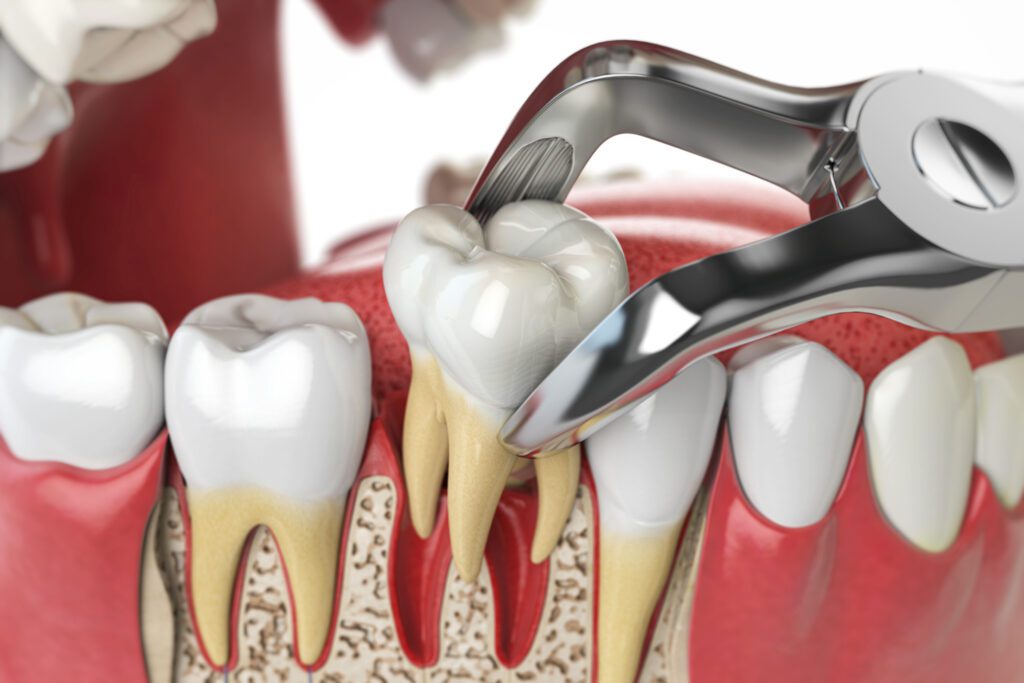
Tooth extraction is a common dental procedure used when a tooth cannot be repaired or needs to be removed for oral health reasons. The process includes an examination, discussion of treatment options, and steps to keep you comfortable during the procedure. Understanding what to expect for a tooth extraction can help you prepare for your appointment. Here is more information on what to expect during your tooth extraction procedure:
Understanding Extraction Reasons
A tooth extraction may be recommended when a tooth cannot be preserved or is affecting overall oral health. A dental evaluation helps determine whether removal is the most appropriate treatment option.
Some common reasons for tooth extraction include:
- Severe tooth decay
- Advanced gum disease
- Broken or damaged teeth
- Impacted or poorly positioned teeth
Tooth extraction also helps support orthodontic treatment by creating space for proper tooth alignment. A dental provider can recommend treatment based on each person’s oral health needs.
Reviewing Sedation Options
Sedation and anesthesia options vary based on the procedure and each person’s treatment needs. A dental provider reviews available options before the extraction and explains what to expect during the appointment. This discussion helps guide the treatment plan.
Local anesthesia numbs the area around the tooth before the extraction begins. Some people also receive sedation based on the complexity of the procedure and their comfort level. A dental provider can recommend the most appropriate option after evaluating your medical history and treatment needs.
Performing Tooth Extraction
A tooth extraction begins after the treatment area has been fully numbed. The dental provider uses specialized instruments to loosen the tooth before removing it from the socket. The exact approach depends on the tooth’s position and condition.
Some extractions are straightforward, while others require additional steps to remove the tooth safely. A dental provider explains the procedure before treatment and answers questions about the process. The goal is to remove the tooth while protecting the surrounding tissues.
After the tooth is removed, the treatment area is cleaned and prepared for healing. Stitches may be placed when needed, and gauze helps control bleeding after the procedure. A dental provider also provides instructions for home care and follow-up visits.
Using Tooth Sectioning
Some teeth require sectioning to support safe removal during an extraction procedure. A dental provider may divide the tooth into smaller sections when its position, shape, or roots make removal more complex. This technique is a routine part of some extractions and allows the tooth to be removed while protecting the surrounding tissues.
Managing Extraction Complications
A tooth extraction changes the surrounding area as the mouth heals. A dental provider discusses possible effects, recovery expectations, and follow-up care before the procedure. These conversations help patients understand available treatment options.
After a tooth is removed, nearby teeth and the jawbone may change over time. A dental provider is able to recommend options such as bone grafting or dental implants to support long-term oral health and replace the missing tooth. Treatment recommendations depend on each person’s oral health needs and long-term goals.
Schedule Your Tooth Extraction Today
A dental provider performs tooth extractions to remove teeth that cannot be preserved or require removal for oral health reasons. Your provider explains each step of the procedure and answers questions before treatment begins. Your treatment plan reflects the condition of your tooth and your individual oral health needs. Contact a qualified dental provider to schedule a consultation and discuss your tooth extraction options.
