


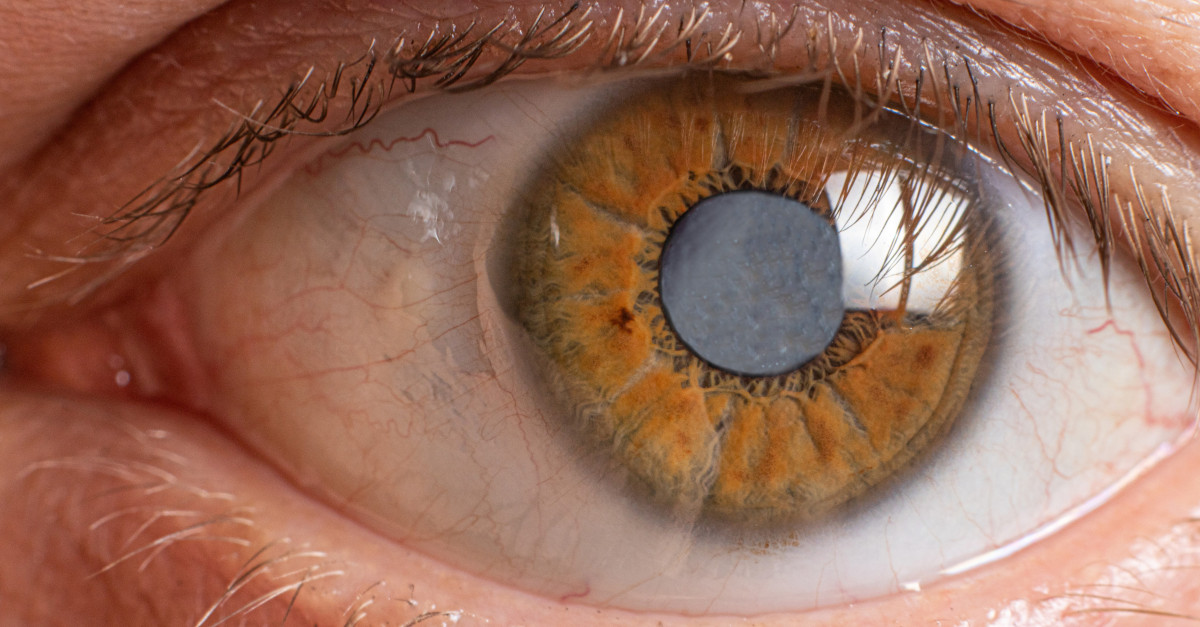
A cataract forms when the natural lens inside your eye grows cloudy, and this blocks light, so your vision slowly gets blurry over time. Cataracts may develop with age, though injuries and some conditions speed them up. Knowing the signs helps you act early and protect your sight. Here is more information on the symptoms, diagnosis, and treatment for this eye condition:
Cataract Symptoms
Cataracts start small, and you might not notice much at first. Vision blurs gradually, and colors begin to look faded or yellow. As the lens keeps clouding, everyday tasks get harder over time. You may find that reading in dim light takes more effort.
Glare becomes a typical complaint for people with cataracts. Bright lights bother you, and halos appear around headlights at night. Since night driving grows difficult, many people limit trips after dark. Some notice double vision in one eye. Watch for these frequent warning signs:
- Vision that is blurry or hazy
- Trouble seeing at night
- Sensitivity to glare and bright lights
- Colors that are faded or yellowed
- Changes to your glasses prescription
These symptoms build slowly, and you might adjust without realizing it. If daily life feels harder, book an eye exam soon. An early visit gives your eye doctor a clearer picture of the changes.
Cataract Diagnoses
An eye doctor confirms cataracts through a full eye exam. They dilate your pupils, and this lets them view the lens closely. Since the lens sits behind the iris, dilation gives a better look. The exam is typically a quick appointment.
Your doctor also checks how well you see at different distances. A visual acuity test measures sharpness, and a slit-lamp exam magnifies the eye. Since these tools show the cataract’s size, your doctor maps a clear plan. You leave the visit knowing where things stand.
Cataract Treatment Options
Early cataracts sometimes improve with a new glasses prescription. Brighter lighting helps too, and magnifiers assist with close work. When vision loss affects daily tasks, surgery becomes the main option. Two surgical methods treat cataracts today.
Traditional cataract surgery uses a small blade and manual steps. The surgeon removes the cloudy lens, and an artificial lens replaces it. Since ultrasound breaks up the old lens, the pieces come out gently. The procedure takes about fifteen minutes per eye.
Laser cataract surgery uses a computer-guided laser for key steps. The laser makes precise openings, and it softens the lens before removal. Since the system maps your eye first, the surgeon follows a detailed plan. Both methods place a new lens. Here are the main differences between the two approaches:
- Traditional surgery: manual incisions, ultrasound to break the lens
- Laser-guided surgery: computer-guided incisions, laser softens the lens
- Both methods: remove the cloudy lens and insert an artificial one
Get Treated for Cataracts
Cataracts progress at their own pace for each person, but regular eye exams track the changes, and early detection keeps you informed. Since clear vision affects daily life, timely care matters for your routine. Schedule an eye exam to check your lenses and discuss next steps. Call today to book your appointment and get answers about your eyes.
