


Regenerative medicine focuses on using the body’s own healing processes to repair damaged tissues. It works by utilizing materials found within the body, such as cells and proteins, to support natural recovery. For joint pain, this approach is often recommended when conservative treatments like rest, physical therapy, or medication have not delivered enough pain reduction. Platelet-rich plasma (PRP) therapy is one method within this field, and many people explore it as an option for persistent joint discomfort. Here’s information on PRP therapy and how this regenerative treatment can reduce joint pain:
How Platelet-rich Plasma Therapy Works
Blood contains components like platelets, which carry growth factors that support the body’s healing response processes. PRP therapy uses a concentrated portion of a patient’s own blood to encourage targeted healing. These growth factors may support the body’s natural repair activity in the targeted area for some individuals. PRP treatments aim to encourage a tissue healing response over a period of weeks. Because the effects develop gradually, patients may notice differences in their comfort and mobility across several appointments spaced over time.
What To Expect During Treatment
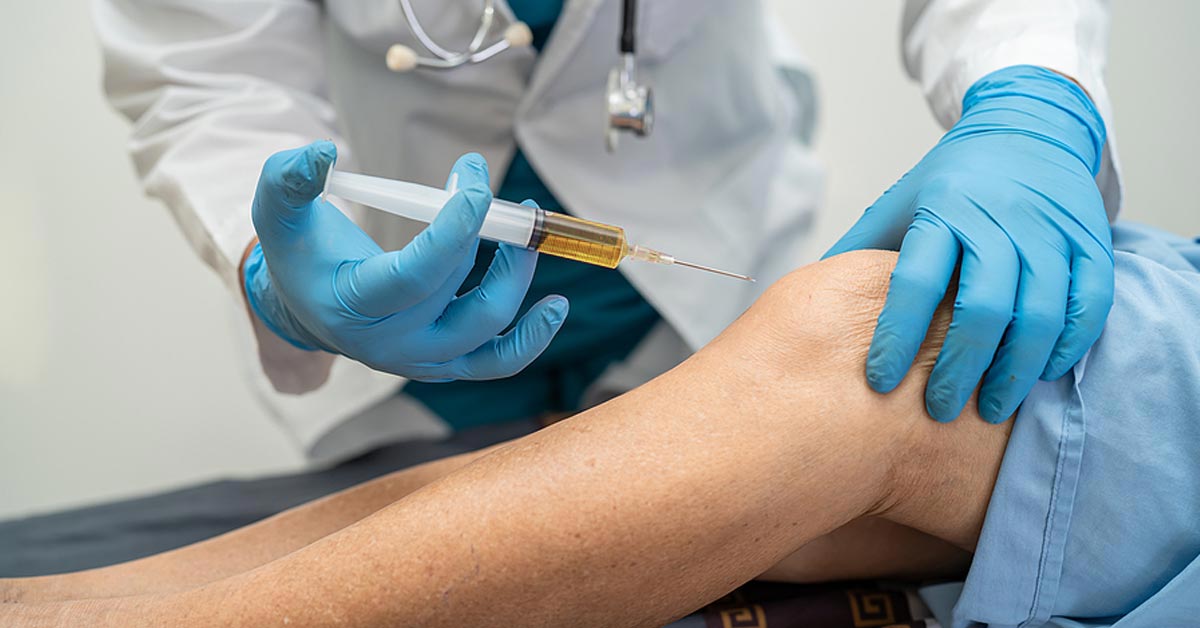
A typical PRP session begins with a standard blood draw, similar to a routine lab test. A small blood sample is drawn from the arm and placed in a centrifuge; this device spins and separates the platelets from other blood components. The sample is processed on-site, and the preparation usually takes a short time before the injection is ready. A provider may use imaging guidance to place the injection accurately within a joint.
The injection itself is a brief procedure, and most people return to their daily activities the same day. Some patients experience mild soreness or swelling at the injection site, but this response often subsides within a few days. Providers frequently recommend a series of sessions, depending on the individual and the joint being treated. Follow-up appointments allow the provider to monitor progress and adjust the plan as needed.
Who May Benefit From Treatments
People who have not achieved sufficient relief from standard non-surgical treatments sometimes discuss PRP with their provider. Athletes and active individuals with joint strain may also explore this option as part of a broader recovery plan. Certain health conditions or medications may affect eligibility, so a thorough consultation is a necessary first step to verify someone’s eligibility. PRP therapy is generally recommended for adults who have ongoing joint discomfort related to conditions such as:
- Osteoarthritis
- Tendon Irritation
- Overuse Injuries
Individuals who prefer an option that relies on their own biological material may find this approach appealing. Suitability depends on several factors, including overall health, the specific joint involved, and the severity of the condition. A qualified provider can evaluate a patient’s history and determine whether PRP is an appropriate care strategy.
Manage Joint Pain With PRP Therapy
PRP therapy offers a way to address joint discomfort using components drawn from your own blood. As a regenerative approach, it centers on supporting the natural repair process within your body. The treatment involves a straightforward series of steps, from the initial blood draw to the targeted injection, with results typically developing gradually over subsequent weeks. To learn more about your regenerative medicine treatment options, contact a holistic health specialist to schedule a consultation today.
