


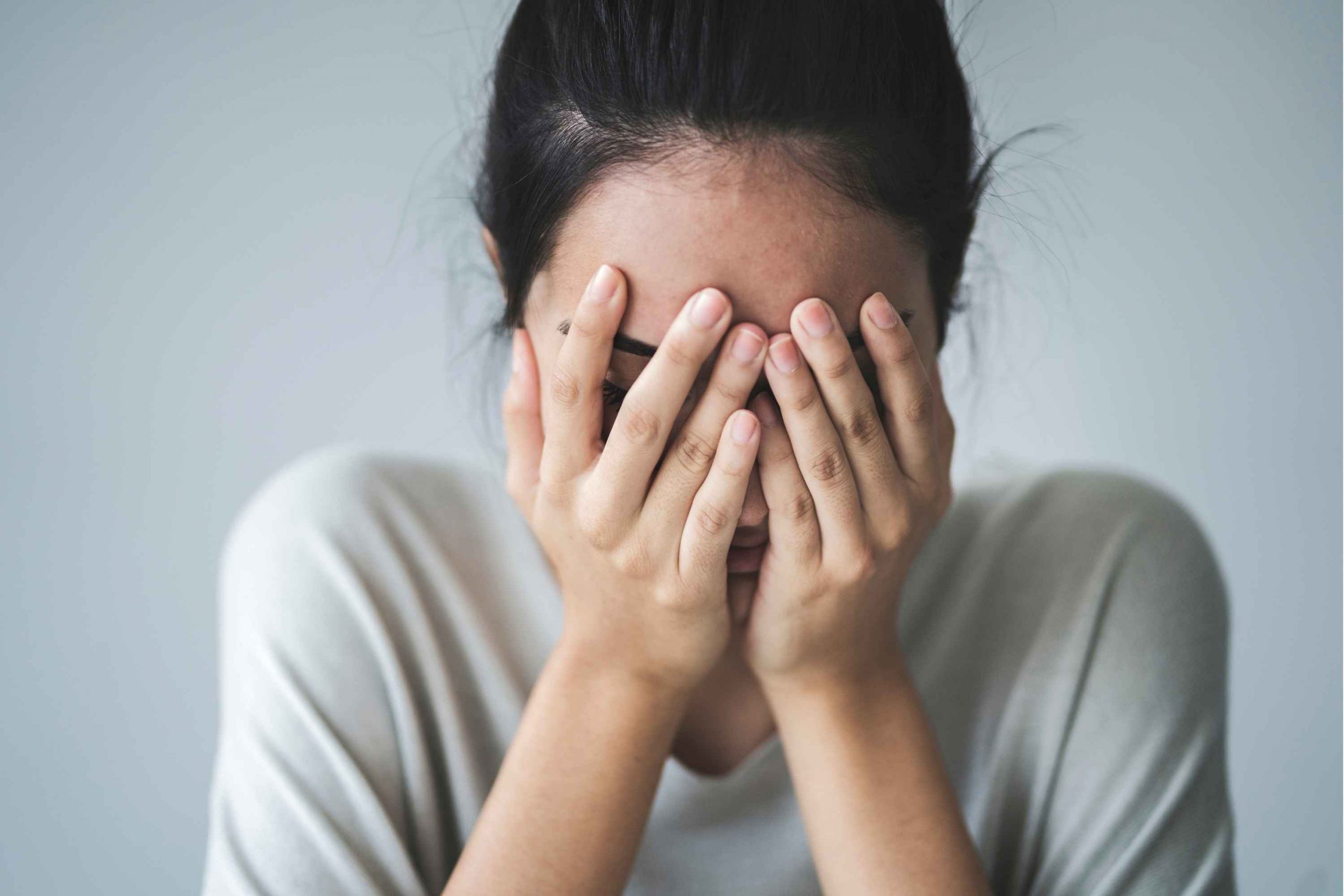
Anxiety is a natural response to stress and uncertainty. Everyone experiences feelings of worry or nervousness from time to time, such as before an important exam, job interview, or major life event. However, when anxiety becomes persistent, overwhelming, or begins to interfere with daily life, it may require attention and support.
Learning about the causes, symptoms, and healthy coping strategies for anxiety can help individuals better manage their emotional well-being and improve their quality of life.
What Is Anxiety?
Anxiety is a feeling of fear, worry, or uneasiness that prepares the body to respond to potential challenges or threats. While occasional anxiety is normal, anxiety disorders involve excessive or ongoing fear that is difficult to control and may affect work, school, relationships, or everyday activities.
Anxiety can affect people of all ages and may develop gradually or appear suddenly, depending on the circumstances and underlying causes.
Common Causes of Anxiety
Anxiety often results from a combination of biological, psychological, and environmental factors. Common causes include:
Chronic Stress
Long-term stress related to work, finances, family responsibilities, or major life changes can increase the likelihood of developing anxiety.
Family History
People with a family history of anxiety disorders or other mental health conditions may have a higher risk.
Traumatic Experiences
Past traumatic events, abuse, accidents, or significant losses can contribute to ongoing anxiety.
Physical Health Conditions
Certain medical conditions, including thyroid disorders, heart disease, chronic pain, and respiratory illnesses, may trigger or worsen anxiety symptoms.
Lifestyle Factors
Poor sleep, excessive caffeine intake, lack of physical activity, and substance misuse can contribute to increased anxiety.
Common Symptoms of Anxiety
Anxiety affects both the mind and body. Symptoms vary from person to person but commonly include:
- Excessive worry or fear
- Restlessness
- Difficulty concentrating
- Rapid heartbeat
- Muscle tension
- Sweating
- Shortness of breath
- Trouble sleeping
- Irritability
- Fatigue
Persistent symptoms that interfere with daily functioning should be evaluated by a qualified healthcare professional.
Healthy Coping Strategies
Although anxiety can be challenging, healthy coping strategies can help reduce symptoms and improve emotional resilience.
Practice Deep Breathing
Slow, controlled breathing helps calm the body’s stress response and promotes relaxation. Spending just a few minutes each day practicing deep breathing can reduce feelings of anxiety.
Stay Physically Active
Regular exercise releases endorphins that improve mood and reduce stress. Activities such as walking, jogging, swimming, cycling, or yoga can help manage anxiety naturally.
Prioritize Quality Sleep
Lack of sleep often makes anxiety worse. Aim for seven to nine hours of sleep each night and maintain a consistent bedtime routine.
Limit Caffeine and Alcohol
Large amounts of caffeine may increase nervousness, rapid heartbeat, and restlessness. Excessive alcohol consumption can also worsen anxiety over time.
Practice Mindfulness and Meditation
Mindfulness encourages focusing on the present moment rather than worrying about the future. Meditation, guided relaxation, and progressive muscle relaxation are helpful techniques for reducing stress.
Build a Support Network
Talking with trusted friends, family members, or support groups can provide comfort and reduce feelings of isolation. Sharing concerns with someone you trust often makes difficult situations feel more manageable.
When to Seek Professional Help
It is important to seek professional support if anxiety:
- Persists for several weeks or months.
- Interferes with work, school, or relationships.
- Causes frequent panic attacks.
- Leads to avoidance of everyday activities.
- Does not improve despite healthy coping strategies.
Mental health professionals can recommend personalized treatment options, including counseling, cognitive behavioral therapy (CBT), stress management techniques, or medication when appropriate.
Everyday Habits That Support Mental Wellness
Simple daily habits can reduce anxiety and improve emotional well-being:
- Maintain a balanced diet.
- Exercise regularly.
- Stay socially connected.
- Limit excessive news and social media exposure.
- Spend time outdoors.
- Practice gratitude.
- Schedule time for hobbies and relaxation.
These habits support overall mental health and build resilience against stress.
Conclusion
Anxiety is a common experience, but it does not have to control your life. Understanding its causes, recognizing early symptoms, and practicing healthy coping strategies can help you manage stress more effectively and improve your emotional well-being.
If anxiety becomes persistent or begins affecting your daily activities, seeking professional support is an important step toward recovery. With the right combination of healthy habits, emotional support, and appropriate treatment, many people successfully manage anxiety and lead fulfilling, balanced lives.
